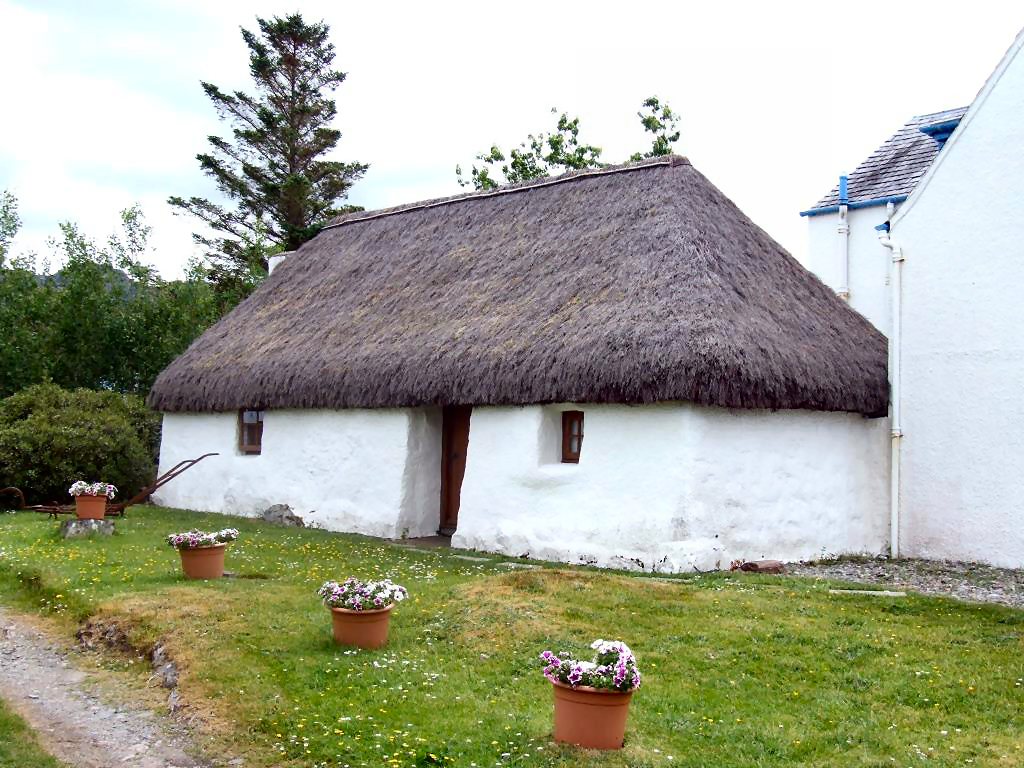
Blackhouse, Arnol
In Arnol village, Isle of Lewis, 11m NW of Stornoway on the A858.
Tel: 01851 710395
A traditional Lewis thatched house, fully furnished, complete with attached barn, byre and
stockyard. A peat fire burns in the open hearth.
Closed every Sunday. |
|
Calanais
Standing Stones & Visitor Centre
About 12 miles west of Stornaway off the A859, Lewis, 8 NB 213 330 Tel: 01851 621422
A cross-shaped setting of standing stones, unique in Scotland and outstanding in
Great Britain. Dates to around 3000 BC. The visitor centre is managed by the Urras nan
Tursachan. Site open all year seven days a week.. Visitor Centre closed Sunday. Open in
summer from 10.00am to 7.00pm and from 10.00am to 4.00pm in winter. |
 |
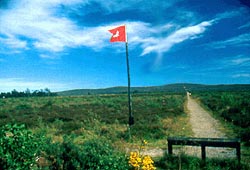
Culloden
On B9006, 5m east of Inverness
No name in Scottish history evokes more emotion than
that of Culloden, the bleak moor which in 1746 saw the hopes of the young Prince Charles Edward Stuart crushed, and the end
of the Jacobite Rising, the 'Forty-Five'. The prince's forces, greatly outnumbered by
those of the brutal Duke of Cumberland, nevertheless went into battle with a courage which
has passed into legend. |
 |
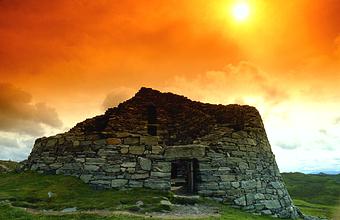
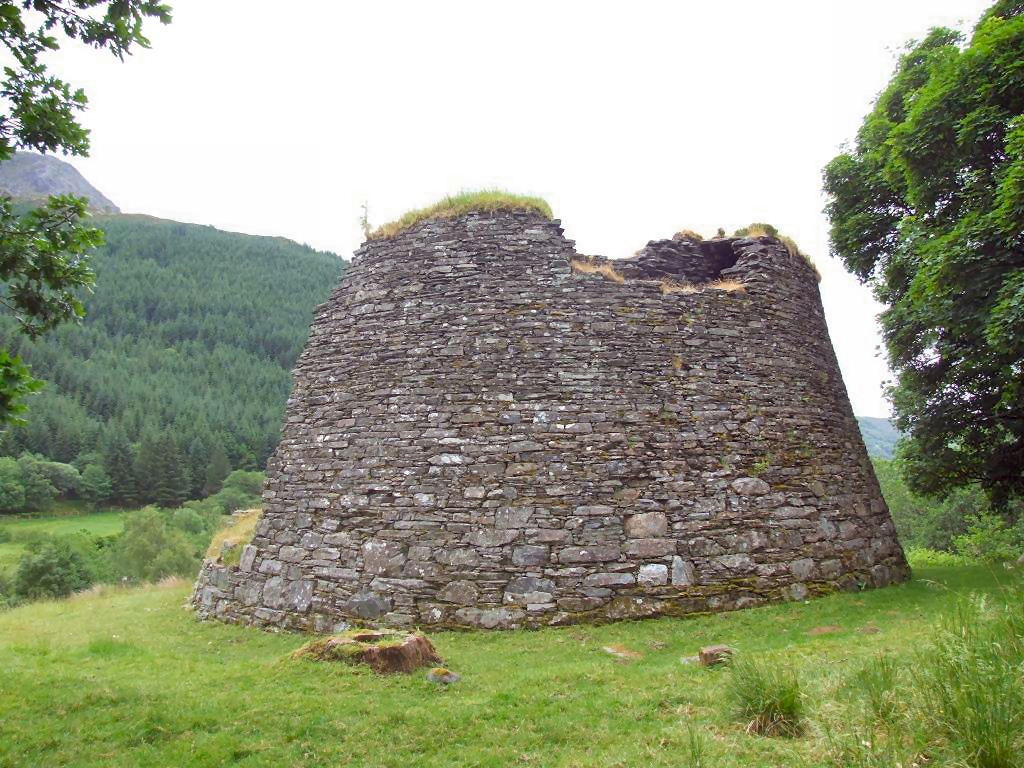
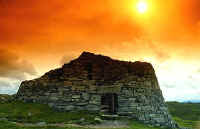
Dun
Carloway
One and a half miles south of Carloway, about 16 miles north west of Stornaway, Lewis, 8 NB 189 412
One of the best preserved broch towers in Scotland. |
 |
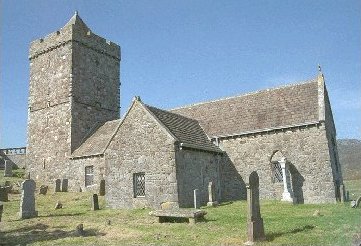
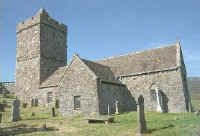
St Clement's Church
At Rodel, Harris
A fine 16th century church, built by the Alexander MacLeod of Dunvegan and Harris,
and containing his richly-carved tomb. |
 |
Steinacleit Cairn and
Stone Circle
On the south end of Loch an Duin, Shader, Lewis, north west of Stornaway, 8 NB 396 540
The remains of an enigmatic building of early prehistoric date. |
|
Ardclach Bell Tower
Eight and a half miles south east of Nairn. 27 NH 953 453.
A remarkable little fortified bell tower built in 1655 on the hill above the parish church
of Ardclach. |
|
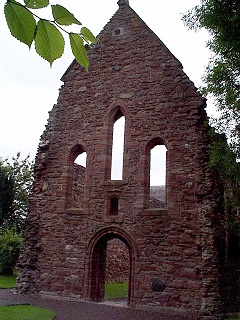
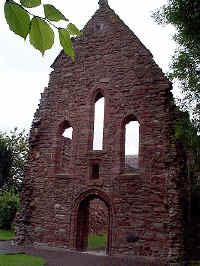
Beauly Priory
In Beauly
The ruined church of a Valliscaulian priory, one of three founded in 1230. Much of the
building was later reconstructed. |
 |
Bridge of Oich
Four miles south of Fort Augustus on the A82. 34 NH 338 035.
This splendid suspension bridge was designed by James Dredge in 1854. It was built using a
sophisticated patented design of double cantilevered chain construction with massive
granite pylon arches at either end. |
|
Cairn o'Get
Five miles north east of Lybster, 12 ND 313 411
A horned and chambered burial cairn. |
|
Carn Liath
By the A9, three miles east north east of Golspie 17 NC 870 013
A typical Sutherland brooch, surviving to first-floor level, with associated settlement. |
|
Castle of Old Wick
One mile south of Wick, 12 ND 368 487
The ruin of a very early Norse tower house on a spectacular site on a spine of rock
projecting into the sea, between two deep, narrow gulleys. Visitors must take great care. |
|
|
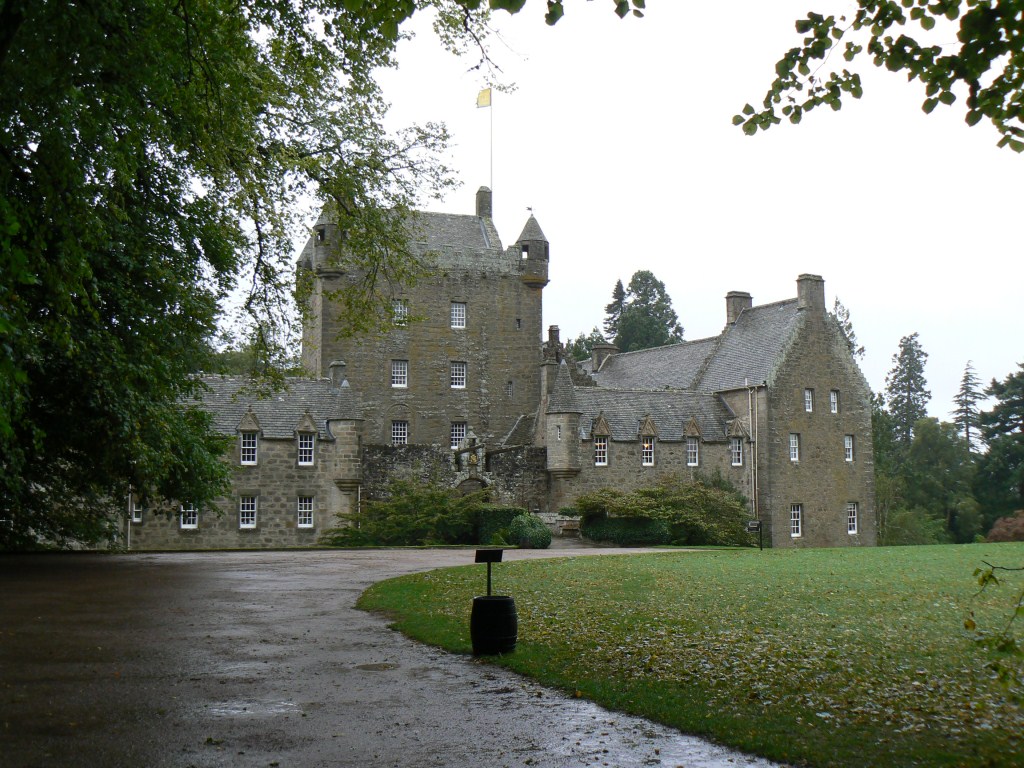
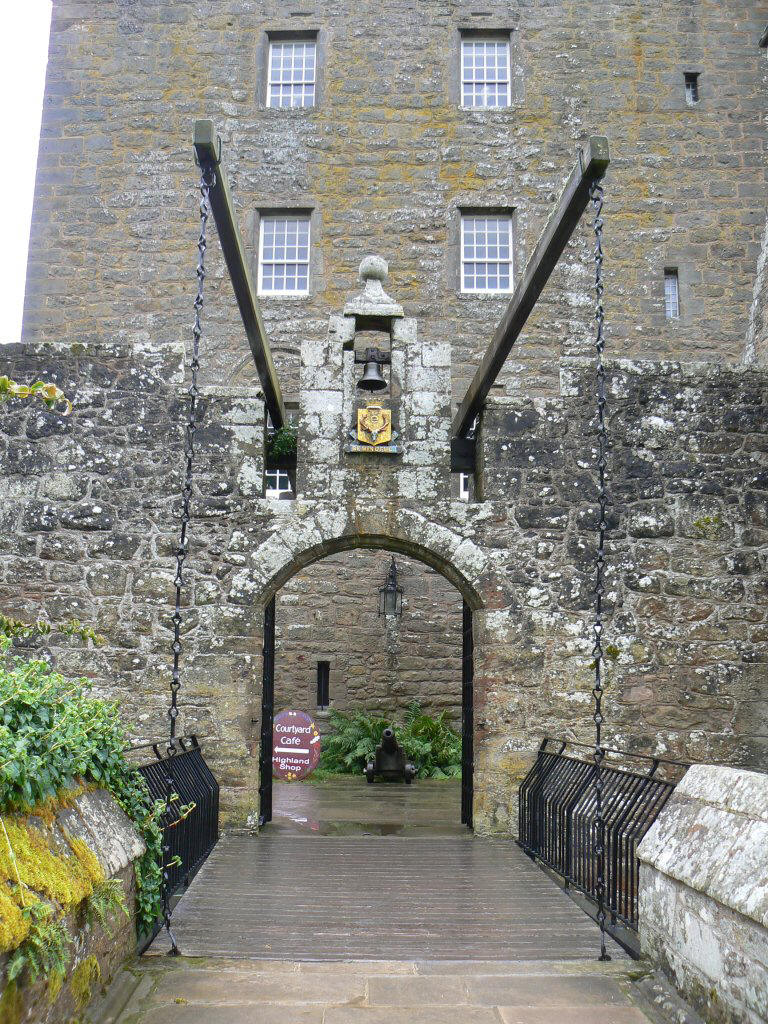
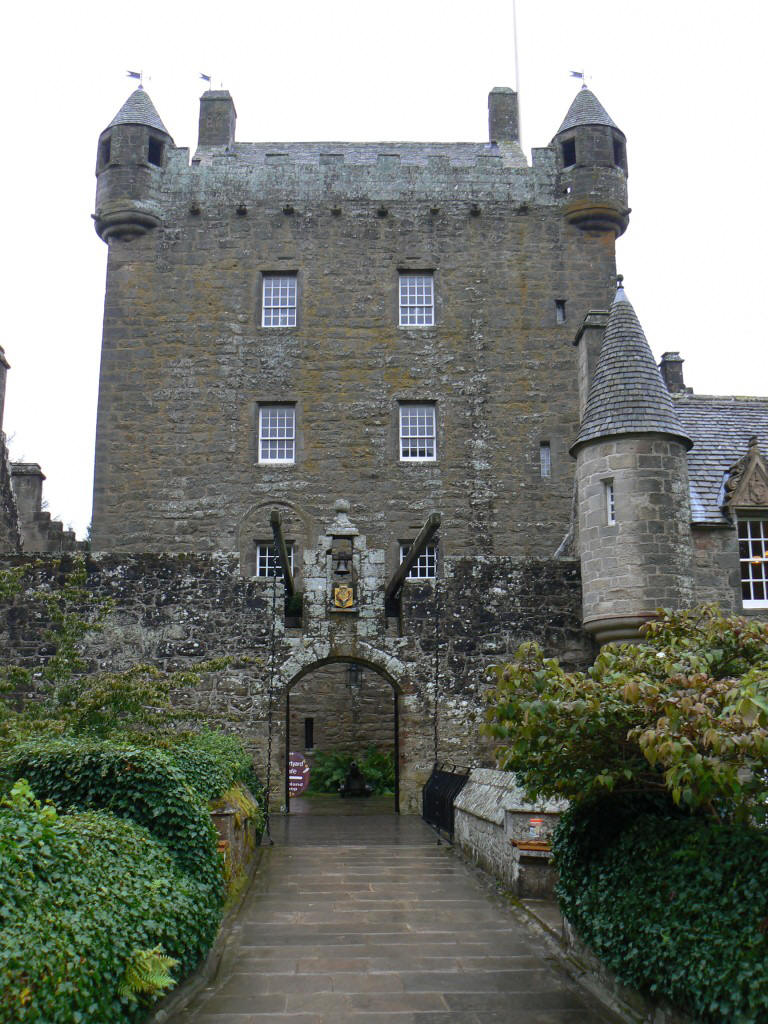
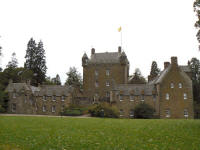
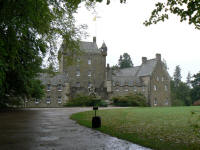
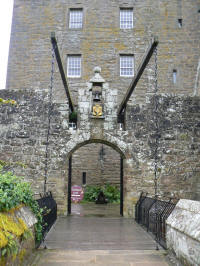
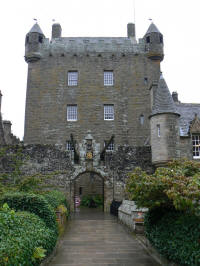
Cawdor Castle
Situated 5 miles southwest of Nairn and 10 miles east of Inverness.
Cawdor Castle dates from at least 1454, this was the date
when Willaim Thane of Cawdor was granted permission to build the first
castle. Some architects think that the style of architecture predates 1454,
and that the castle may have been built in the mid to late 14th century.
The castle we see today is very large and the oldest part is the tower. The
castle has been extended many times during its lifetime, dates stones 1702,
and 1884 are clearly visible above windows. Inside
the castle can be seen beautiful furniture, fine art including portraits and
landscapes, antiques and tapestries. Cawdor Castle is
well known for its wonderful gardens, these include a 17th century walled
garden laid out in 1620, an 18th century flower garden laid out c1710, and a
wild garden of the 1960’s. The castle grounds also include an ancient
oakwood with a variety of trees known as the ‘Big Wood’, and it is also said
to have over 100 species of lichen. The castle also has associations with
Shakespeare’s play ‘Macbeth’.
See
http://www.cawdorcastle.com/macbeth.cfm.
Cawdor Castle has retained its 5-Star Visit Scotland status for the 2012
season.
(Text Stan Bruce,
photos by Andrew Bruce, Sept 2012). |
 |
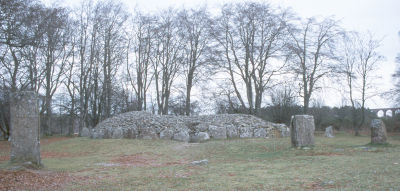
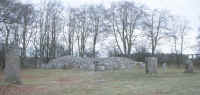
Clava Cairns
Six miles east of Inverness, 27 NH 752 439
Two chambered cairns and a ring cairn in a row, each surrounded by a circle of
stones. Of late Neolithic or early Bronze Age date. An extensive and well-preserved site
in a beautiful setting. |
 |
Cnoc Freiceadain Long
Cairns
Six miles west south west of Thurso, 11 ND 013 654
Two unexcavated long-horned burial cairns of Neolithic date, set at right angles to
each other. |
|
Corrimony Chambered Cairn
In Glen Urquhart, eight and a half miles west of Drumnadrochit, 26 NH 383 303
A chambered burial cairn surrounded by a kerb of stone slabs, outside which is a
circle of 11 standing stones. |
|
Dun Beag
One mile west of Bracadale, Skye, 32 NG 339 385
A fine example of a Hebridean broch, apparently occupied to the 18th century. |
|
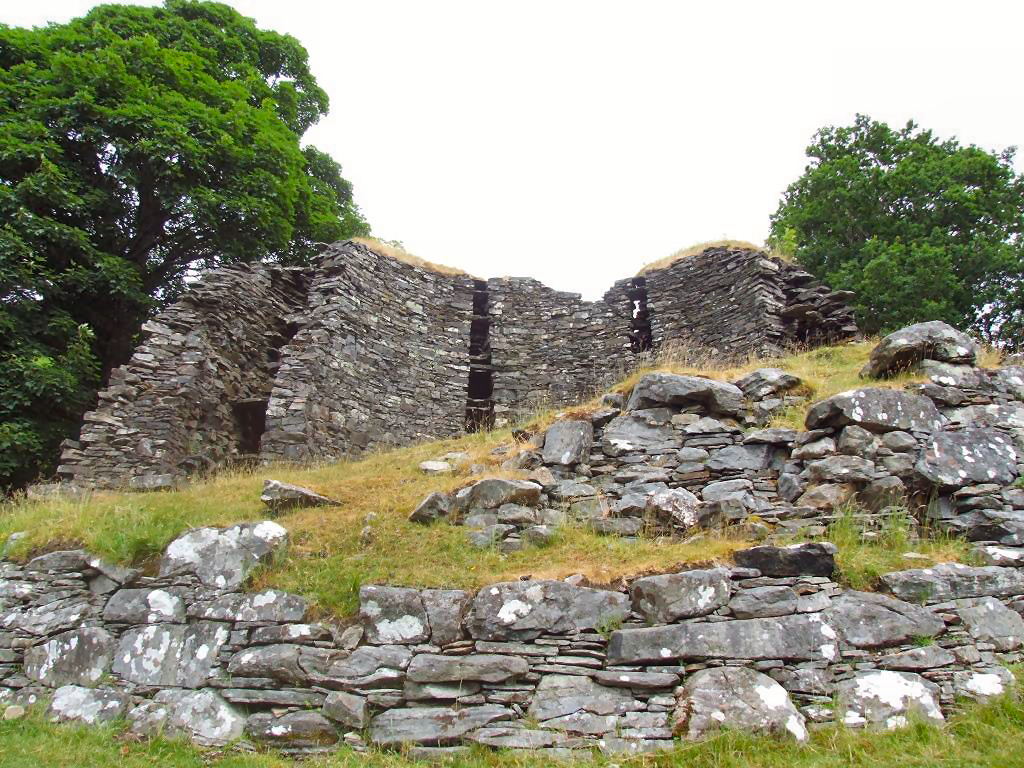
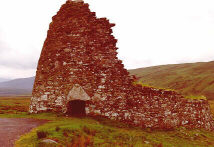
Dun Dornaigil
10 miles south of Hope, Sutherland, 9 NC 457 450
A well-preserved broch, standing to a height of 22 feet above the entrance passage. |
 |
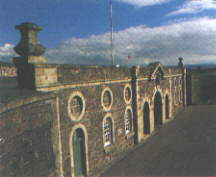
Fort George
11 miles north east of Inverness off the A96, by the village of Ardersier.
Tel: 01667 462777
Click here to
view a video on YouTube
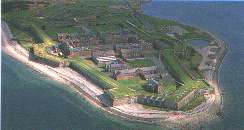
Built following the Battle of Culloden as a Highland fortress for the army of George II,
it is one of the outstanding artillery fortifications in Europe and still an active army
barracks covering 42 acres. Highlights include reconstructed barrack rooms of the 18th and
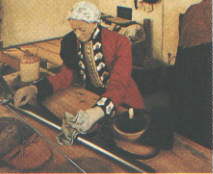
19th centuries and the Seafield Collection of arms. The 1780 room shows Private James
Anderson, a soldier who served with the 42nd Royal Highlanders. In those days men slept
two to a bed and every man in a hundred could have his wife stay in the barracks with him.
Fort George is still an active army barracks which houses the Regimental Museum of the
Queen's Own Highlanders, also open to the public, check for specific opening times.Following the Jacobite rising of 1745-6 which threatened the
Hanoverian rule of the Scottish Highlands, King George II put up the ultimate defence
against any further unrest. Built on a barren spit of land jutting into the Moray Firth at
Ardersier, north-east of Inverness, Fort George is the mightiest artillery fortification
in Britain, if not in Europe. Its elaborate 18th-century bastioned defences and original
garrison buildings survive intact.
Almost a mile around, Fort George encloses an area of 42
acres (Edinburgh Castle would fit into its parade ground). Despite taking 21 years to
complete and costing nearly £1 billion at today's prices, Fort George never saw a shot
fired in anger. With its reconstruction of barrack-room and guard-room life, together with
a fascinating collection of weapons including the Seafield Collection of arms, Fort George
is a must-see on any trip to the Highlands and now the new restaurant offers the visitor
an excellent opportunity to take a welcome break.
Last ticket sold 45 minutes before closing. |
|
|
 |
 |
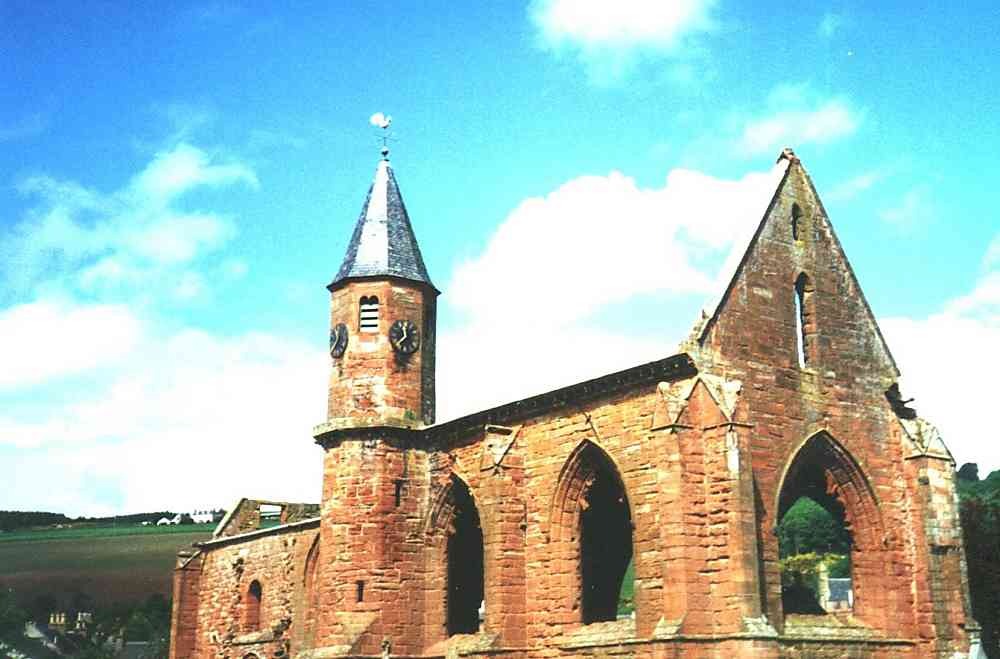
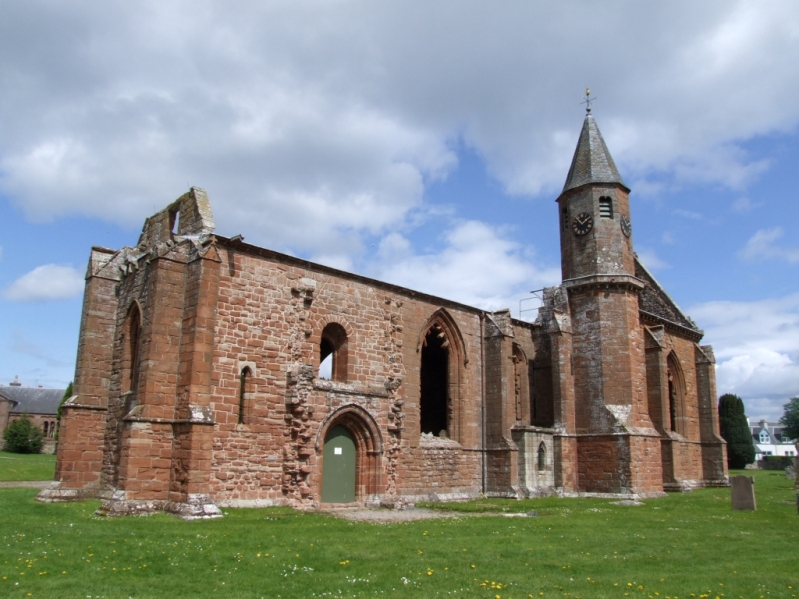
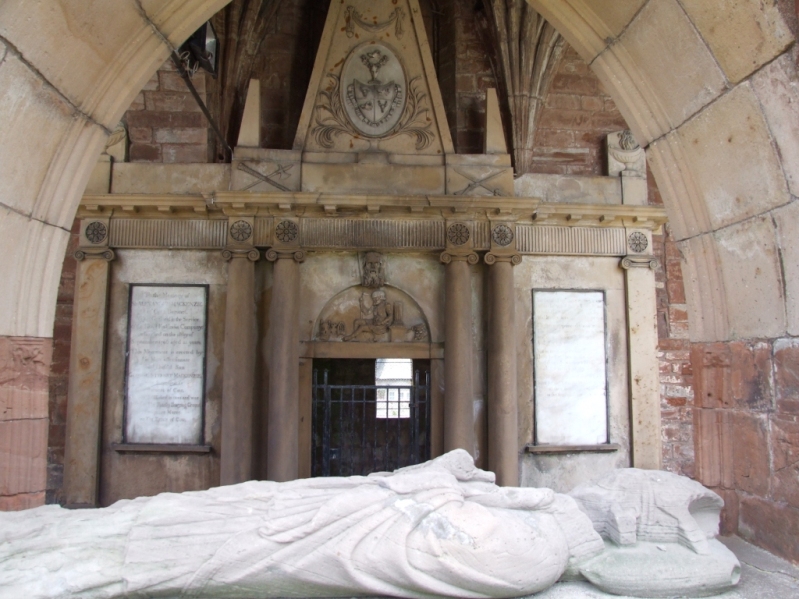
Fortrose Cathedral
In Fortrose
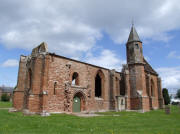
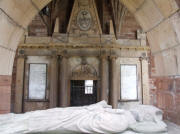
The surviving fragments consist of the 13th century vaulted undercroft of the chapter
house and the south aisle of the nave, a vaulted structure of 14th century date, bothy
finely worked, with two canopied monuments, and other interesting memorials.
Top Photo by Duncan Fenton
Bottom two photos by Stan Bruce |
 |
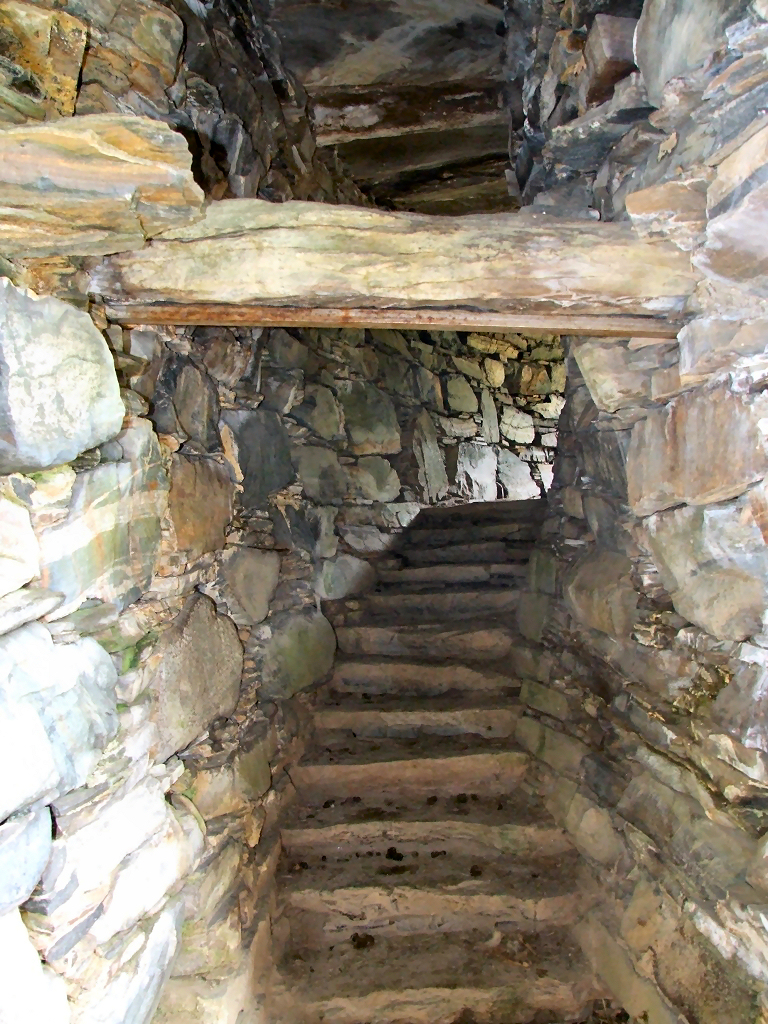
Glenelg Brochs
About eight miles south east of Kyle of Lochalsh, 33 NG 829 172
Two broch towers, standing over 30 feet high, with well-preserved structural
features. Set in beautiful surroundings.
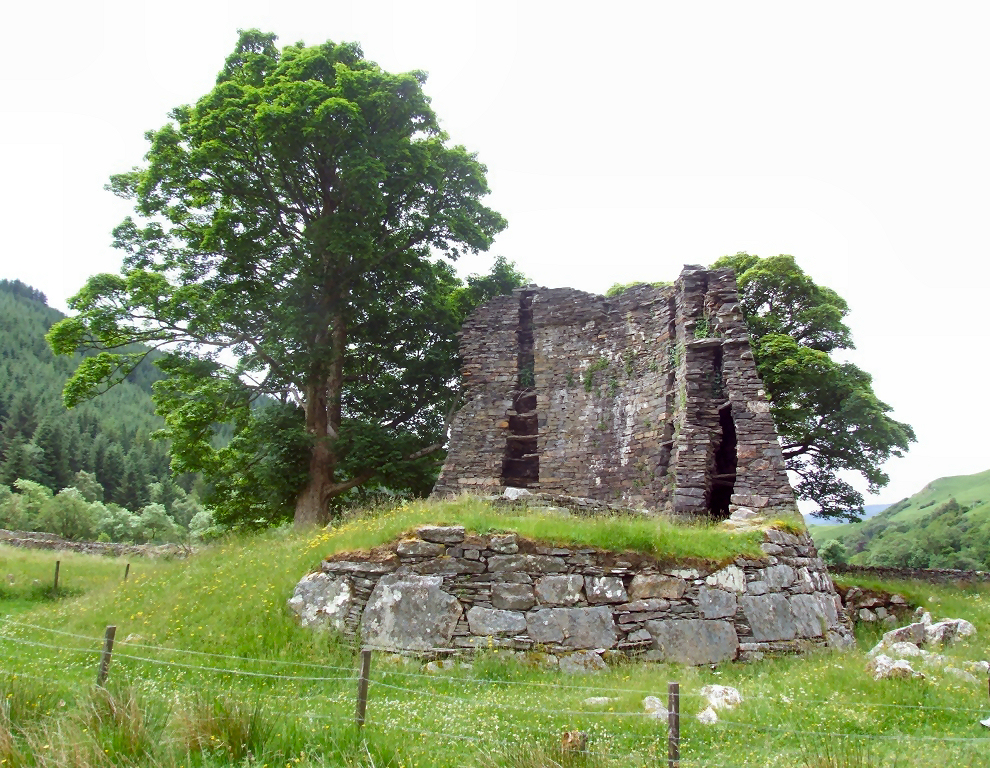
Glenelg Brochs – Dun Telve and Dun Troddan.
Two Iron Age Broch Towers, built about 2,000 year ago. Dun Telve (Grid
reference NG82921726) stands over 30 feet high and Dun Troddan (Grid
reference NG83401724) about 23 feet high. These both have well-preserved
structural features and you can clearly see the double wall construction.
Both of these Brochs are said to have been robbed for stone in 1722 during
the construction of Bernera Barracks in Glenelg. These Brochs are set in
beautiful surroundings, and are in the care of Historic Scotland. Open all
year with free admission.
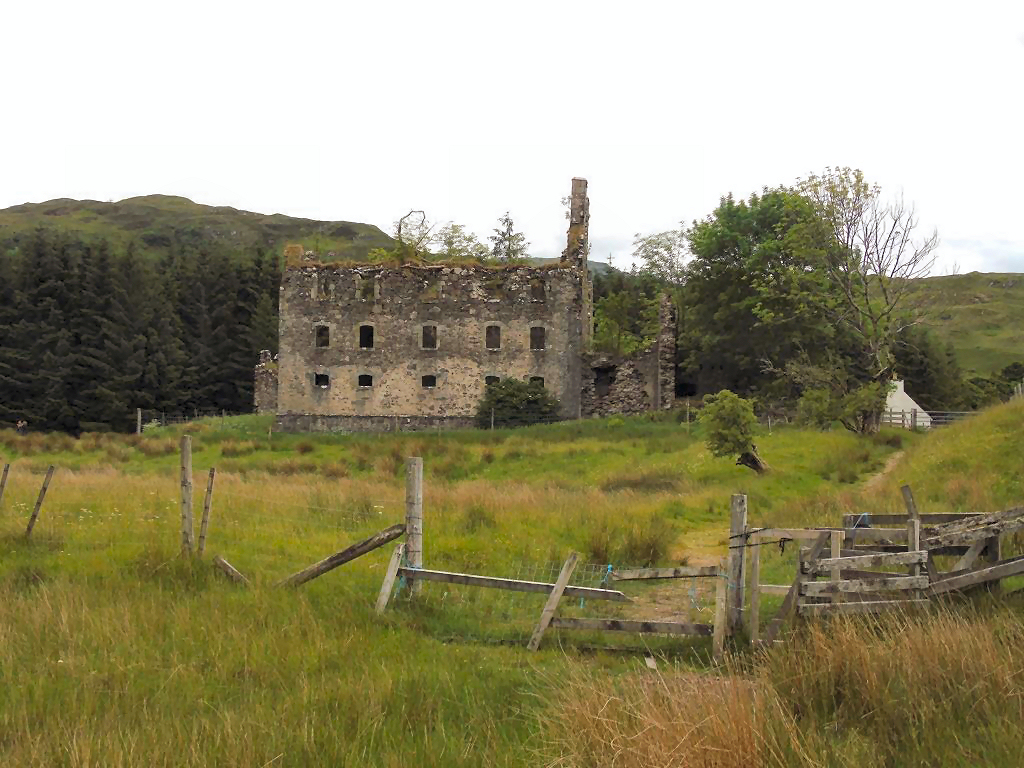
Bernera Barracks, Glenelg.
The barracks were constructed between 1717 and 1723 partly using stone from
the Glenelg Brochs Dun Telve and Dun Troddan. It was built by the British
Government to subdue the local population after the 1715 Jacobite Rising.
This was a strategic site as it’s near the ferry boat to Skye which still
operates today. The English troops withdrew from the barracks in 1797 and
today stands roofless in ruins although category A listed by Historic
Scotland.
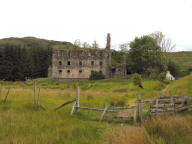
Pictures by Stan Bruce |
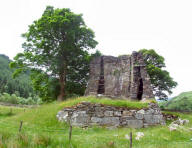
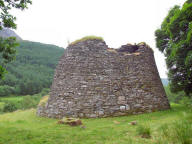
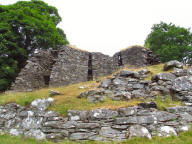
 |
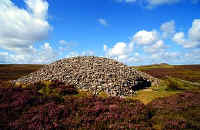
Grey
Cairns of Camster
Five miles north of Lybster, 11 ND 260 441
Two chambered burial cairns of Neolithic date. One is long, with two chambers and
projecting 'horns' and the other is round, and contains a single chamber. |
 |
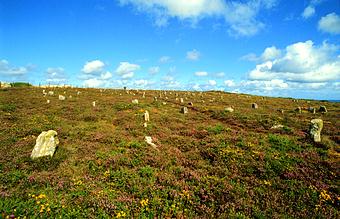
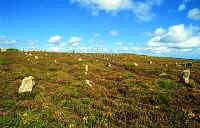
Hill o'Many Stanes
At Mid Clyth, four miles north east of Lybster, 11 ND 295 384
More than 22 rows of low slabs arranged in a slightly fan-shaped pattern, which may
have been a prehistoric astronomical observatory. |
 |
Hilton of Cadboll Chapel
At Hilton of Cadboll, 12 miles north east of Invergordon, 21 NH 873 768
The foundation remains of a small rectangular chapel building. |
|
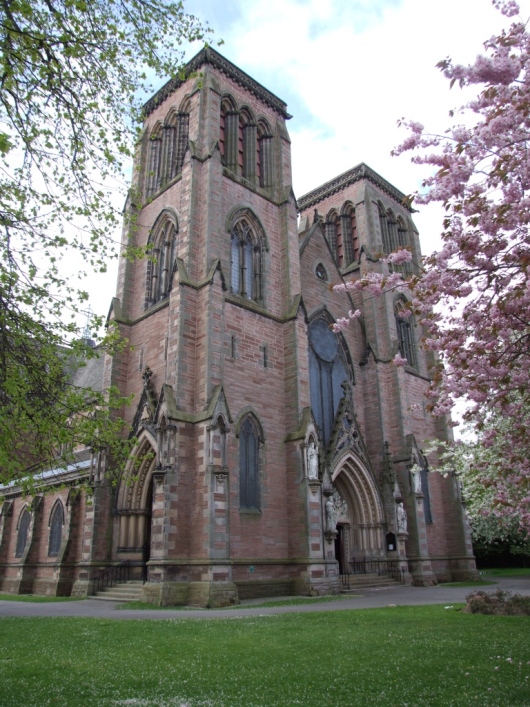
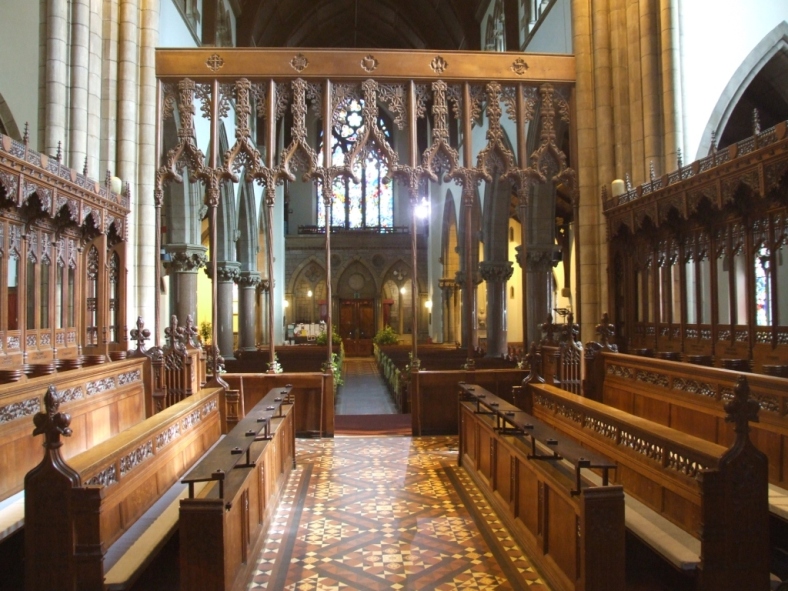
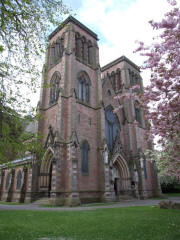
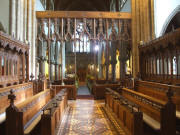
Inverness Catherdal
Photo by Stan Bruce
|
 |
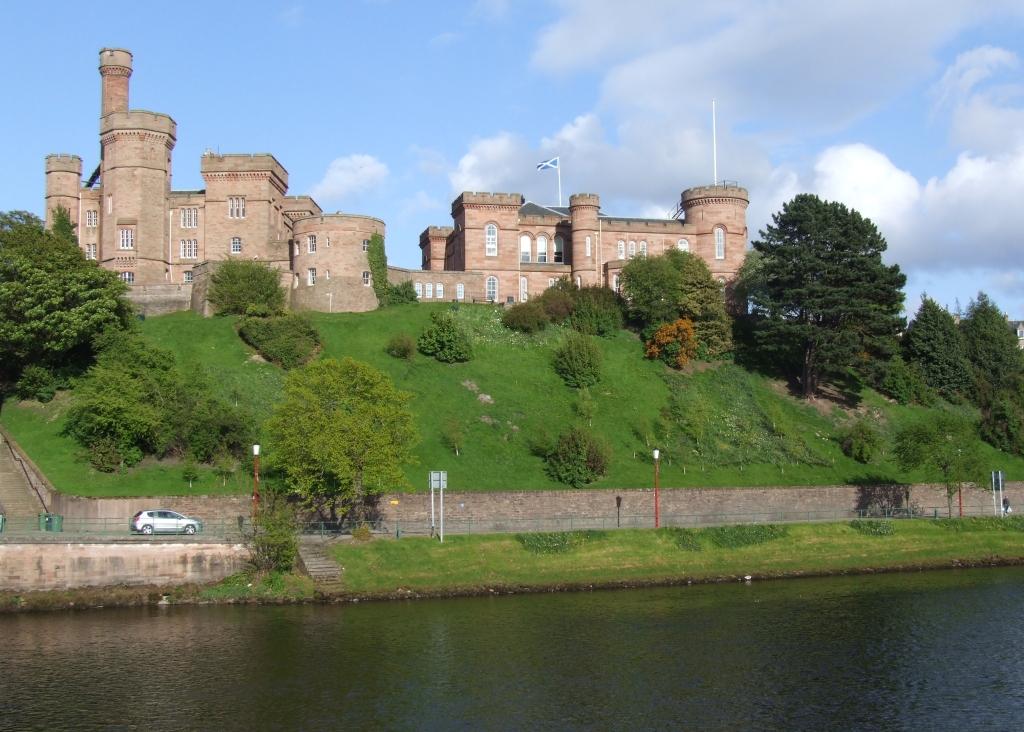
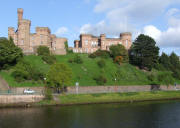
Inverness Castle
Inverness Castle sits high on
a hill overlooking the River Ness, in the centre of Inverness, and is a
prominent feature of the town. The castle we see today was built of
red sandstone in 1836 by architect William Burn of Edinburgh. The
earliest castle recorded on this site dates from 1057. This castle was
destroyed by King Robert the Bruce during the Wars of Independence. A
replacement castle was later built, but it was sacked in the 15th
century. Another castle was built but it was destroyed by Bonnie
Prince Charlie in 1745, he is said to have flattened it using explosives.
Today, the castle of 1836 is home to the Sheriff Court, and currently not
open to the public, however visitors are free to roam the grounds
Photo by Stan Bruce |
 |
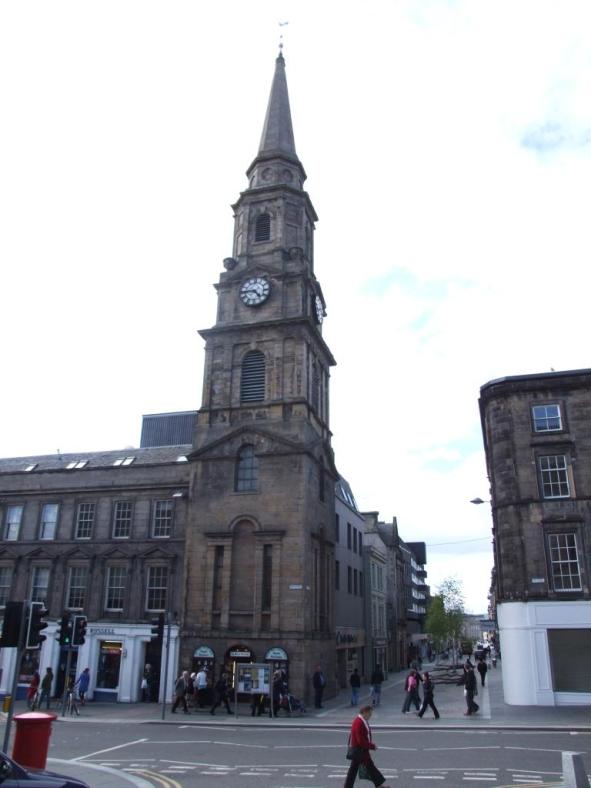
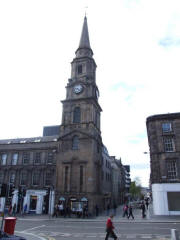
Inverness Steeple
Photo by Stan Bruce |
 |
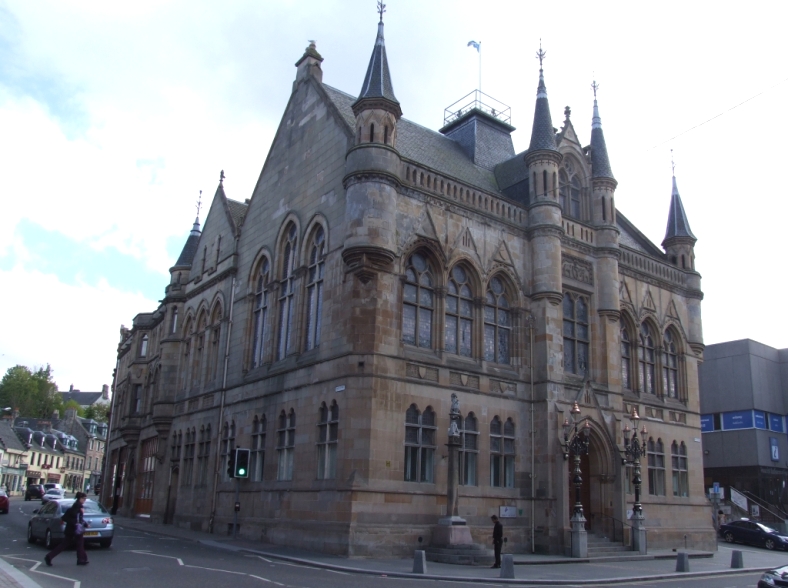
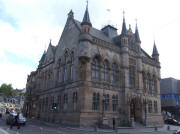
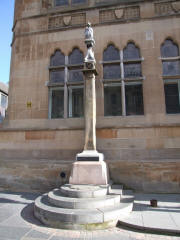
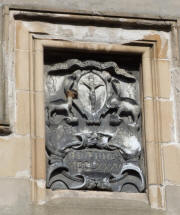
Inverness Town Hall
Photos by Stan Bruce |
 |
Inverlochy Castle
Two miles north east of Fort William, 41 NN 121 755
A fine well-preserved 13th century castle of the Comyn family; in the formn of a
square, with round towers at the corners. The largest tower was the donjon or keep. It is
one of Scotland's earliest stone castles. Access is limited as major consolidation work is
in progress.Photo by Duncan Fenton |
 |
Knocknagael Boar Stone
In Highland Regional Council Offices, Glenurquhart Road, Inverness.
A rough slab incised with the Pictish symbols of a mirror-case and a wild boar. |
|
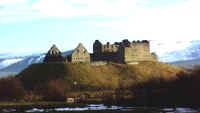
Ruthven Barracks
Near Kingussie, 35 NN 764 997
An infantry barracks erected in 1719 following the Jacobite rising of 1715, with two
ranges of quarters and a stable block. Captured and burnt by Prince Charles Edward
Stuart's army in 1746. |
 |
St Mary's Chapel
Crosskirk
Six miles west of Thurso, 12 ND 025 701
A simple dry-stone chapel, probably of 12th century date. |
|
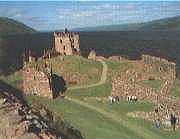
Urquhart Castle
On Loch Ness nr Drumnadrochit on the A82, 35 NH 531 286
Tel: 01456 450551
The remains of one of the largest castles in Scotland dominate a rocky promontory on Loch
Ness. Splendid views up and down the Loch, a popular viewpoint for monster spotting.
Summer, Monday to Sunday 9.30 am to 6.30 pm
Winter, Monday to Saturday 9.30 am to 4.30 pm. Sunday 11.30 am to 4.30pm. Last ticket sold
30 minutes before closing. |
 |
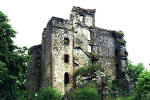
Invergarry Castle
7 miles south-west of Fort Augustus, east of A82
NH 315006 17th C tower house. Burnt by both Cromwell & Duke of
Cumberland. View exterior only.
Photo by Duncan Fenton |
 |
St.
Duthus's Chapel Tain
When Robert The Bruce's wife and daughter sought refuge here from the
English army, the rules of sanctuary were ignored by the Earl of Ross, who
seized them and handed them over to Edward I.
|
|
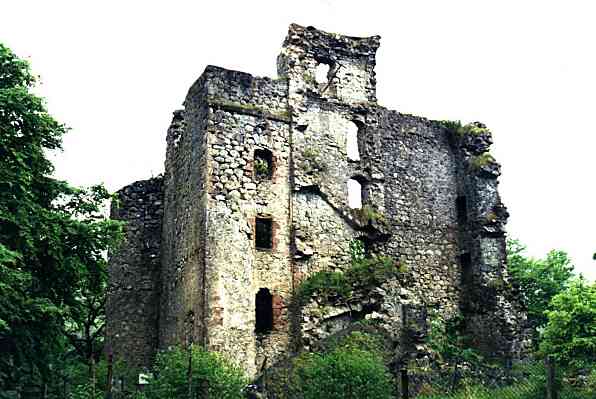
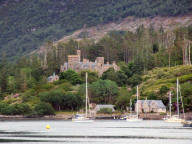
Duncraig Castle
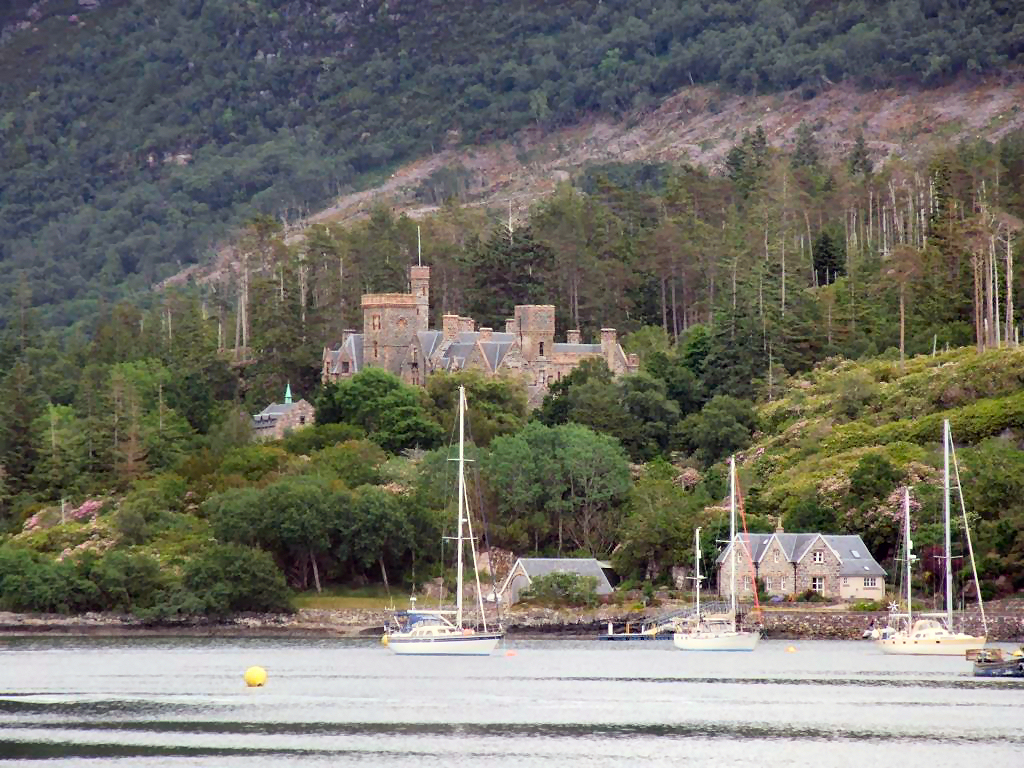
Situated on the southern shore of Loch Carron about 1 mile east of the
village of Plockton. It was built in 1866 for Alexander Matheson, a Scottish
businessman and Member of Parliament and is currently run as a hotel.
Plockton
Pics attached including Duncraig Castle across the bay.
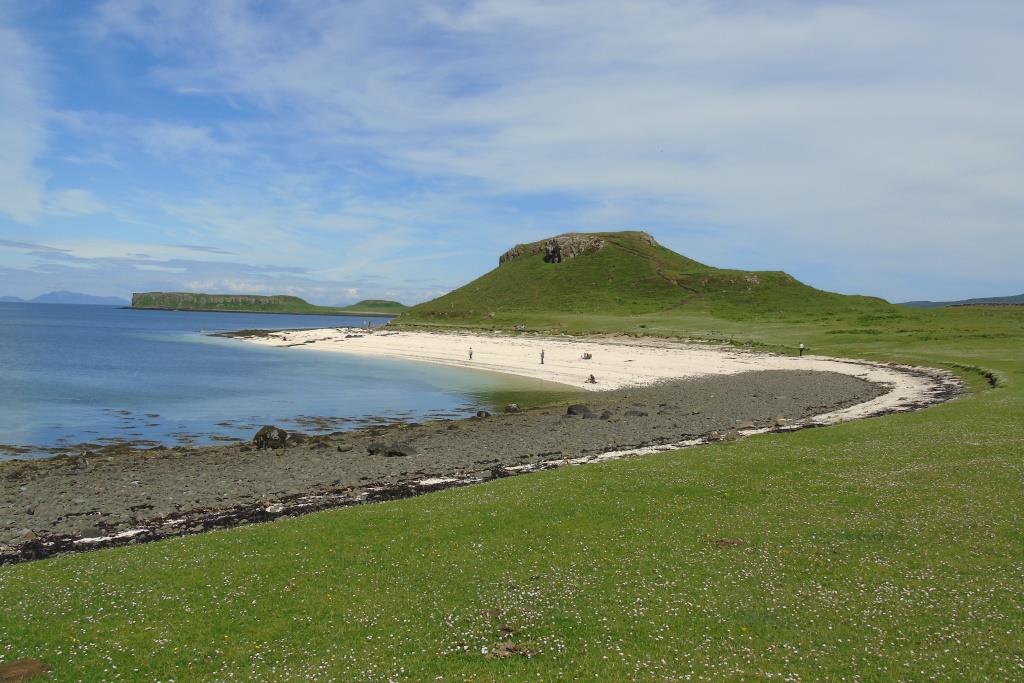
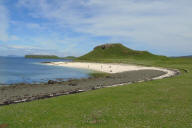
Coral Beach
Follow the single track road north of Dunvegan Castle for 3
miles and you come to a car park. 1 mile walk along the shore takes
you to this beautiful coral beach.
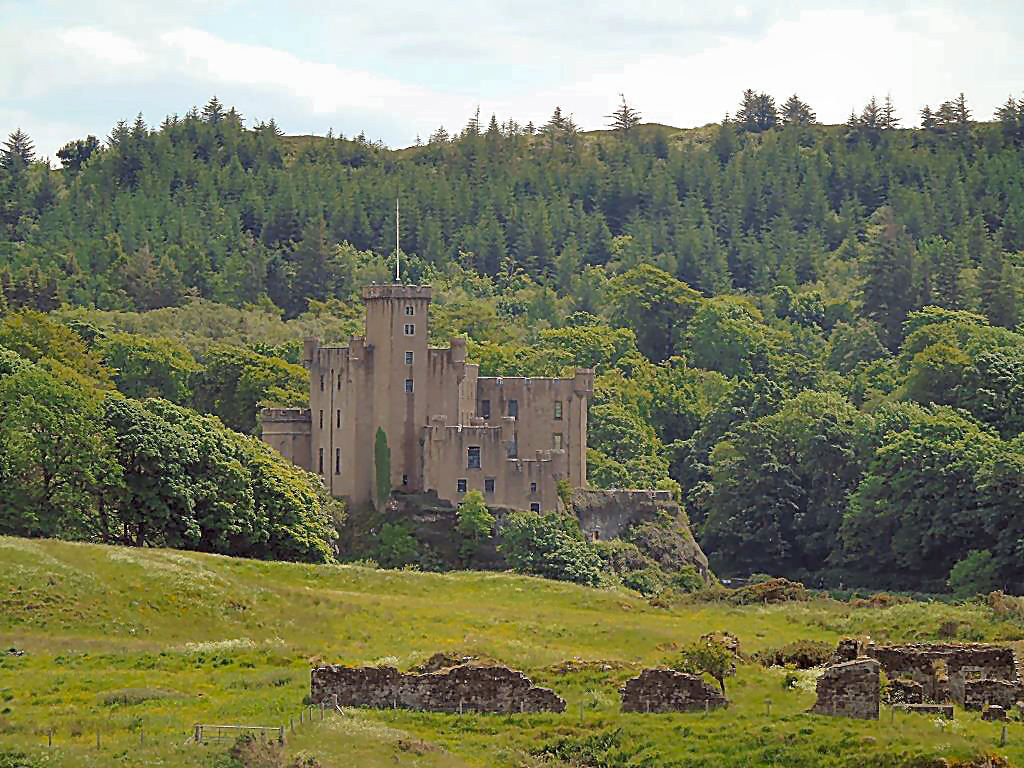
Dunvegan
Castle
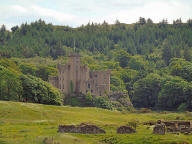
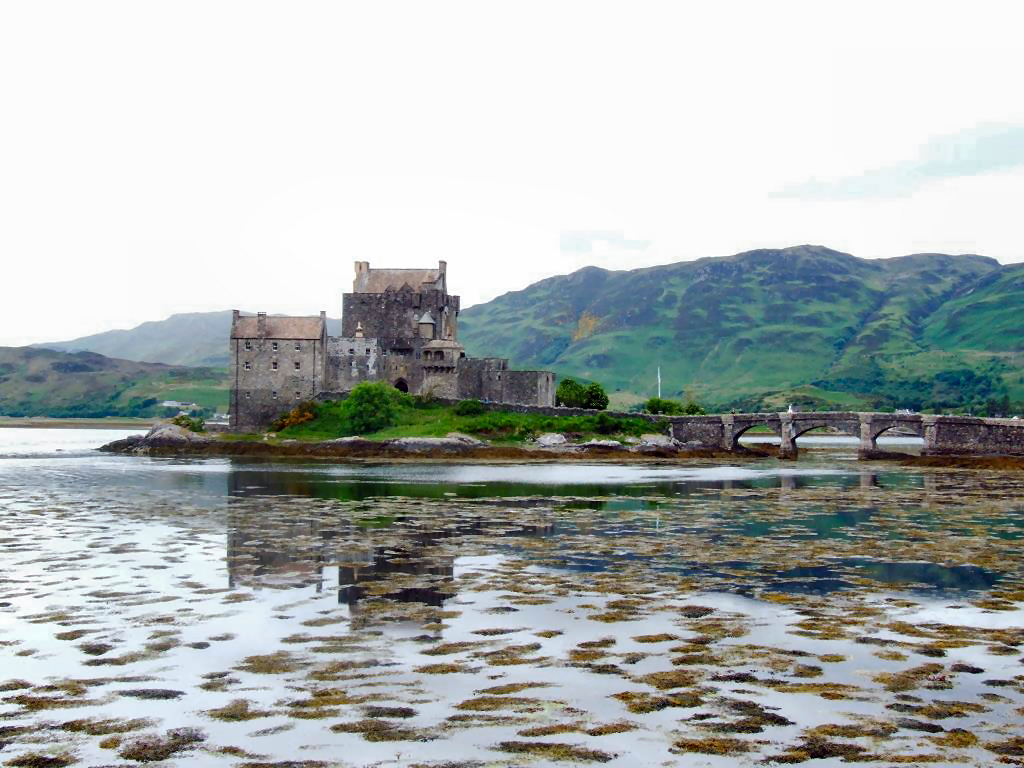
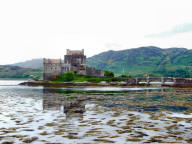
Eilan Donan Castle
Thatched Cottage, Pockton
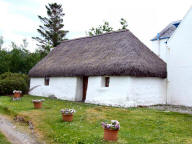
Pictures from Stan Bruce |
 |