|
Around fifty per cent of New
Zealanders can claim some Scottish ancestry so Te Papa is expecting lots of
visitors to their latest exhibition.
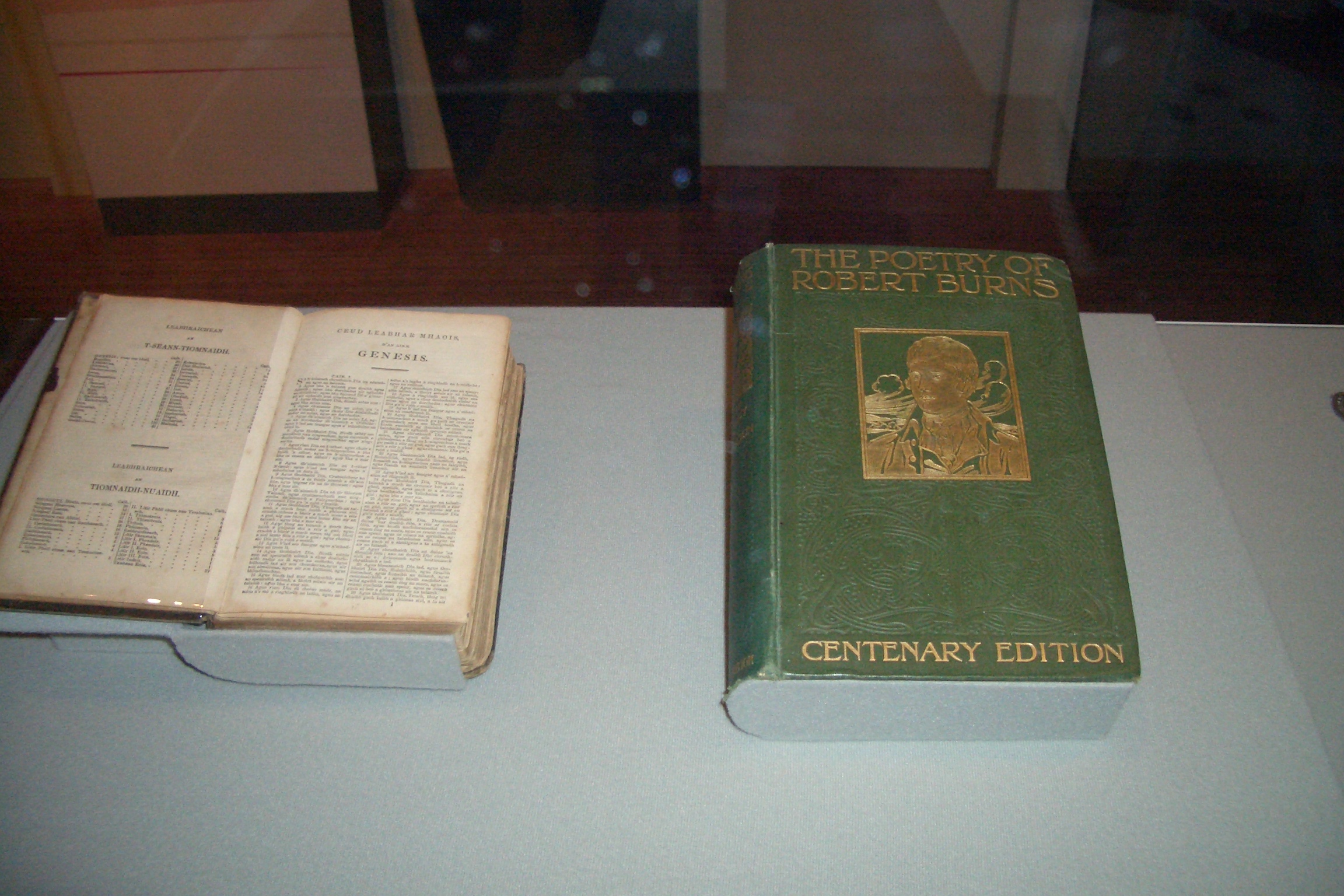
‘The Scots in New Zealand’ exhibition opened today (18th Aug 2007) and it
highlights the contribution of kilted kiwis.
The Scottish were one of the biggest immigrant streams to New Zealand and
with a recent flurry of interest among descendents and academics, Te Papa
has launched a two and a half year exhibition on the Scots.
The Scots’ contribution to New Zealand has been so far reaching from
engineering, education, agriculture and architecture – it has been difficult
to select what to exhibit.
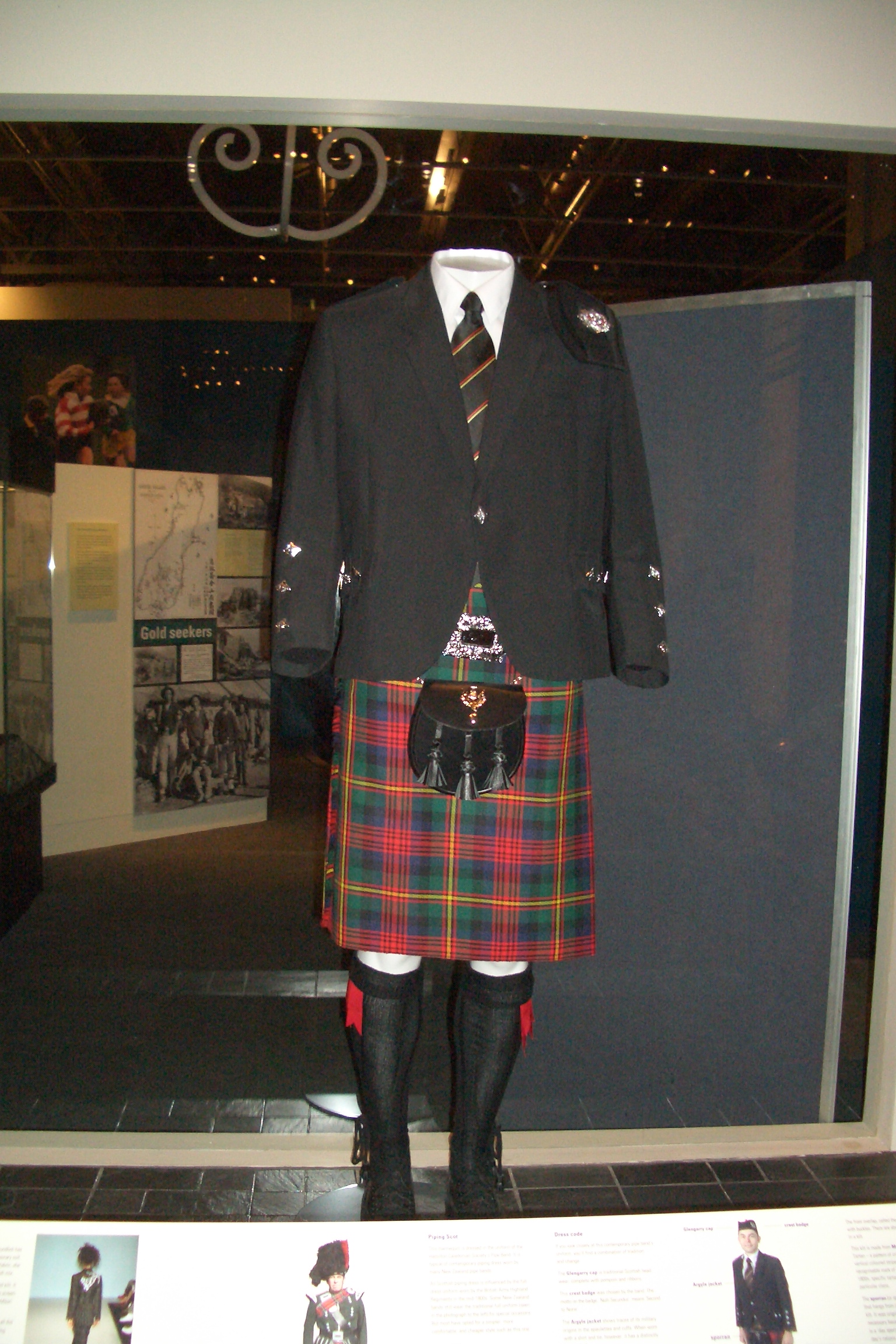
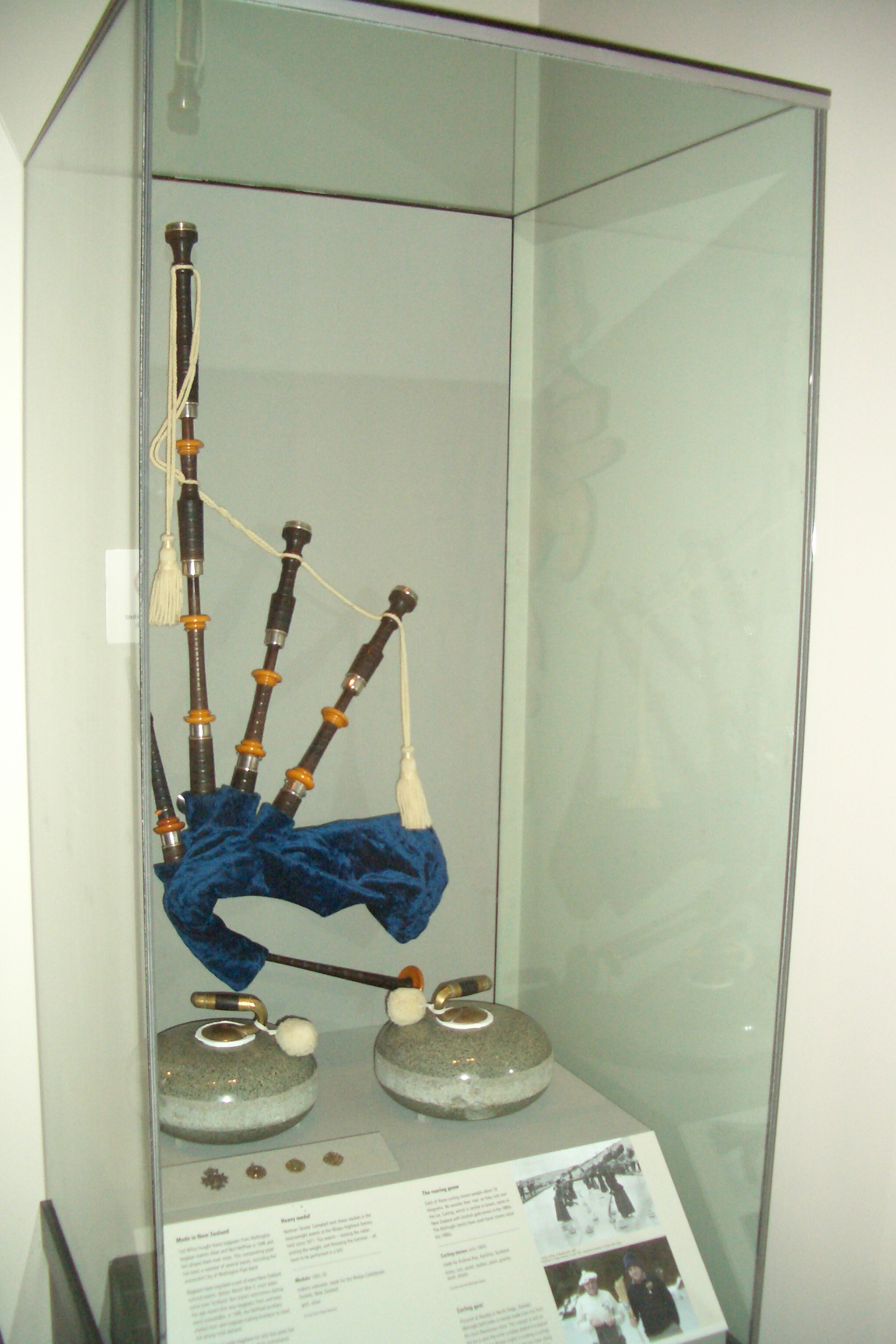
Over the next few months, the exhibition will be brought to life with
Scottish games, dancing and of course the pipes.
Click here to watch a wee video of the event
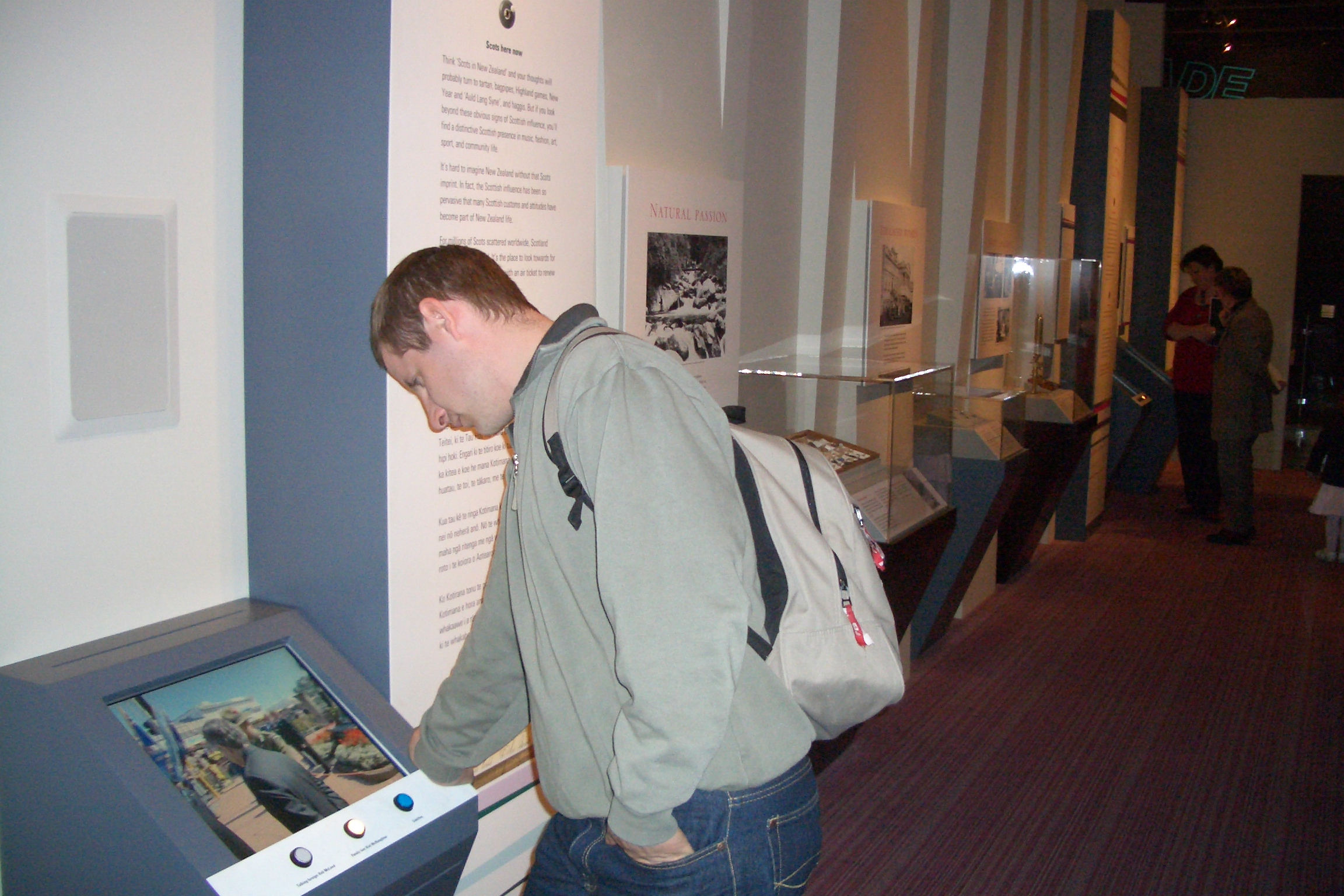
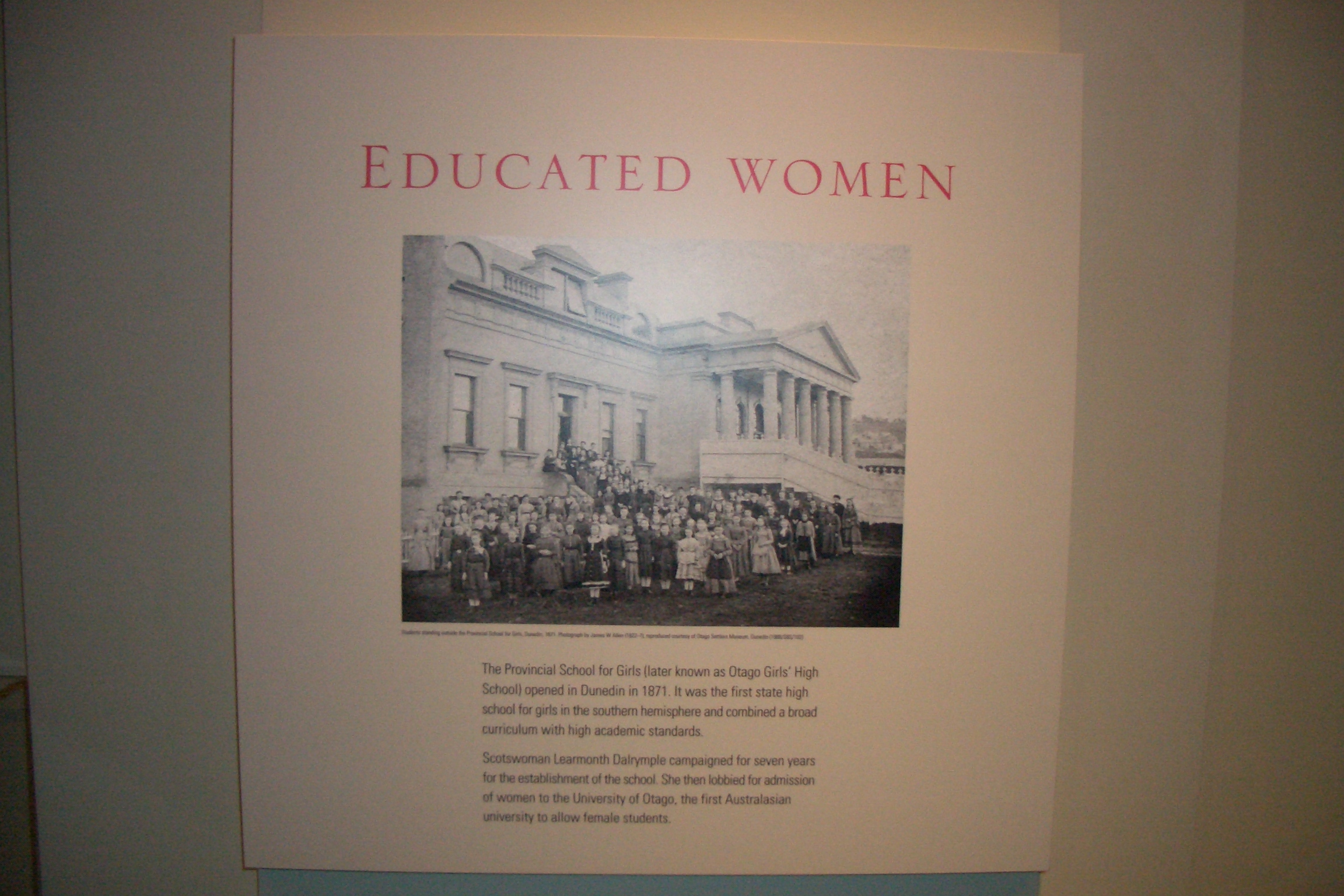
And here are some pictures
taken by Philipp Fahr and Tanja Bueltmann...
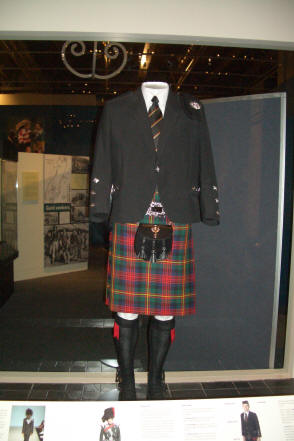
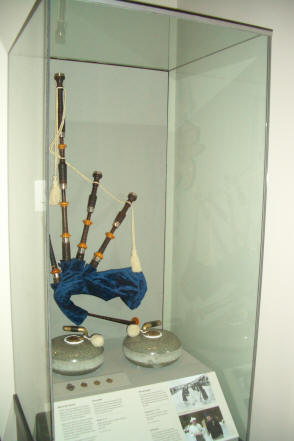
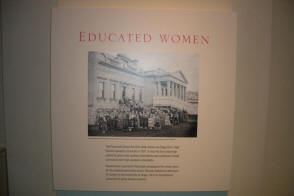
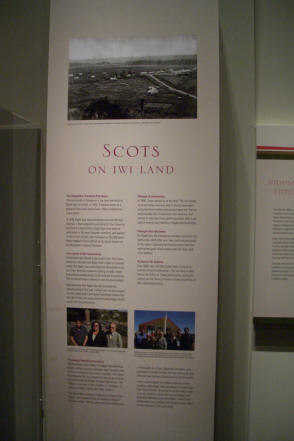
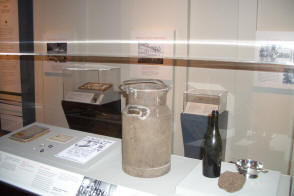
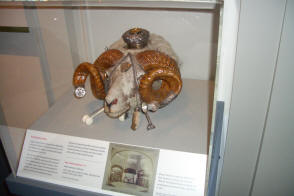
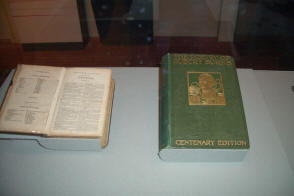
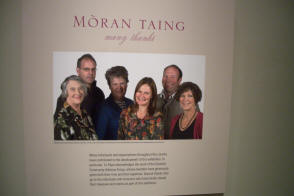
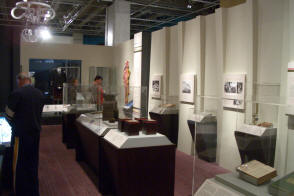
You can
visit the Exhibition site here!
From the New
Zealand Herald we read...
Och aye, it's Scotland's turn for Te Papa glory
5:00AM Saturday August 18, 2007
By Mike Houlahan
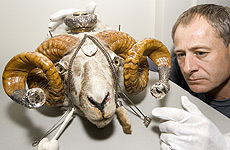 Te
Papa staffer Simon Urbahn prepares a ram's head 'snuff mull' made in
Edinburgh in 1875. Photo / Mark Mitchell Te
Papa staffer Simon Urbahn prepares a ram's head 'snuff mull' made in
Edinburgh in 1875. Photo / Mark Mitchell
Dunedin is regarded as the heart of all things Scottish in New Zealand, but
a new exhibition at Te Papa shows the influence of the Scots on this country
is far more widespread.
Every 2 1/2 years the Wellington-based national museum replaces the cultural
history exhibition in its communities gallery with the story of another
community or ethnic group.
The Italians have had their time in the sun, and from today tales of
Scottish migration and the impact those settlers and their descendants have
had on New Zealand take over.
History curator Stephanie Gibson said while settlements such as the
Northland town of Waipu - where around 800
Scottish migrants arrived in the 1850s - and mass migration such as that to
Dunedin were well known, Scots were diffuse rather than niche migrants.
"Dunedin was a massive, large-scale, dominant migration which saw Scots
retain their dominance in most of the 19th century, and you can still see
traces now, but by the late 19th / early 20th century, Scots were spread
evenly throughout the country. They scattered quite quickly, and became a
part of New Zealand society.
"They are very subtle in terms of their pervasiveness in New Zealand: many
New Zealanders can claim Scottish ancestry. Scottish people still arrive
here, they still migrate, so you get people with thick brogues as part of
our society now, and then people like me who are fifth generation and
vaguely know of my ancestors who came over in the 1860s."
A group of 30 community representatives helped plan the exhibition,
including migrants, cultural groups, and academics from Victoria
University's Stout Research Centre, which is conducting a study on Scottish
migration and settlement.
The exhibition tells migration stories, highlights expressions of Scottish
culture such as the annual Highland Games in Waipu and New Zealand's active
pipe band scene, and pinpoints Scots who have made a special contribution to
the country's history - most notably Peter Fraser, who began life in the
Highland village of Ross-Shire and went on to become Prime Minister of NZ
from 1940 to 1949.
"Our biggest dilemma was that the obvious signs of Scottishness are things
like bagpipes and kilts and tartans and whisky," Ms Gibson said. "But the
exhibition is pretty subtle: you don't see tartan until the end, but you see
a New Zealand twist on it."
Maisie Earle, a Highlander who came to this country with her New
Zealand-born husband, was one of the consultants on the exhibition. She said
the exhibition might help lift the profile of the Scots in New Zealand
somewhere near that of their much more visible Celtic neighbours the Irish.
"The Scots, whichever country they went to - whether it was Patagonia, China
or New Zealand - they've always tried to become part of the general
population," the former president of Clan Cameron in New Zealand said.
"I think the Irish didn't quite so much. As I understand it, when they came
out they were still bringing Irish politics with them. The Scots didn't do
that, so they don't have as high a profile as the Irish in New Zealand."
That low profile meant Dr Earle, a Massey University emeritus professor, was
frequently offering factual advice to Te Papa on things Scottish - "giving
them a little tweak every now and again and telling them some of the
background about some of the things, it was more of that really".
"New Zealand Scots have built up a New Zealand Scottish culture which is
different from what is at home now ... It is very much dominated by pipe
bands and Scottish highland dancing and things like that, which is very
strong in Scots New Zealand culture." |