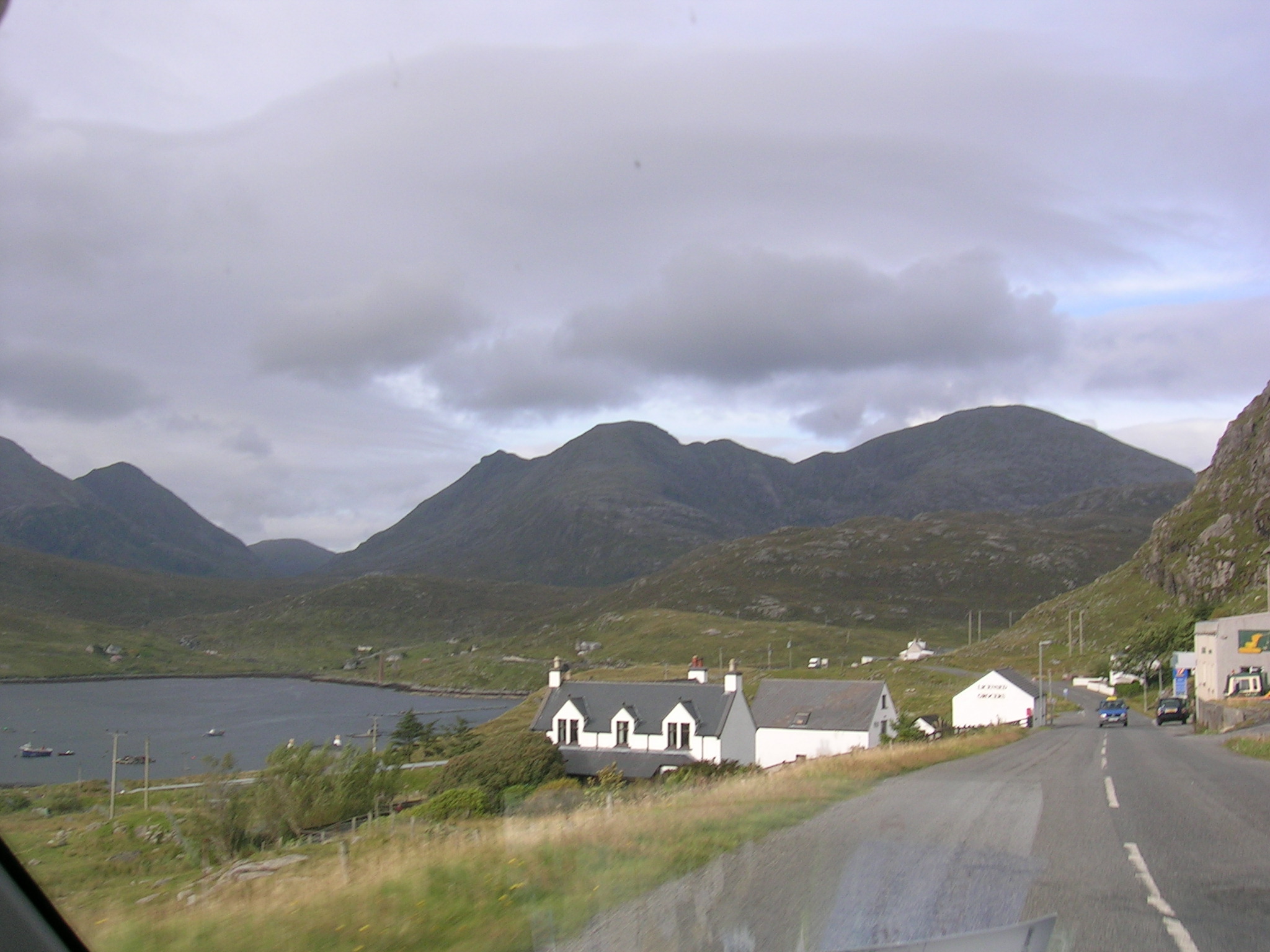
The Western Isles, one of the most beautiful and
remote areas, offer the visitor a unique holiday experience. This 130 mile long chain of
islands lies to the north west of Scotland, on the edge of Europe and bordering the wide
Atlantic ocean. Visit Islay to enjoy a living,
working community, busy with its distilling, or Jura if unspoilt emptiness is what you
need. Mull with its spectacular coastline and the further attraction of tiny Iona nearby;
Colonsay, Coll and Tiree for different flavours of small-island life (good beaches here
too); Arran for good walking options - all these have their own special appeal. And then
there is quite a choice of smaller islands.
Steeped in history, the islands have been inhabited for over
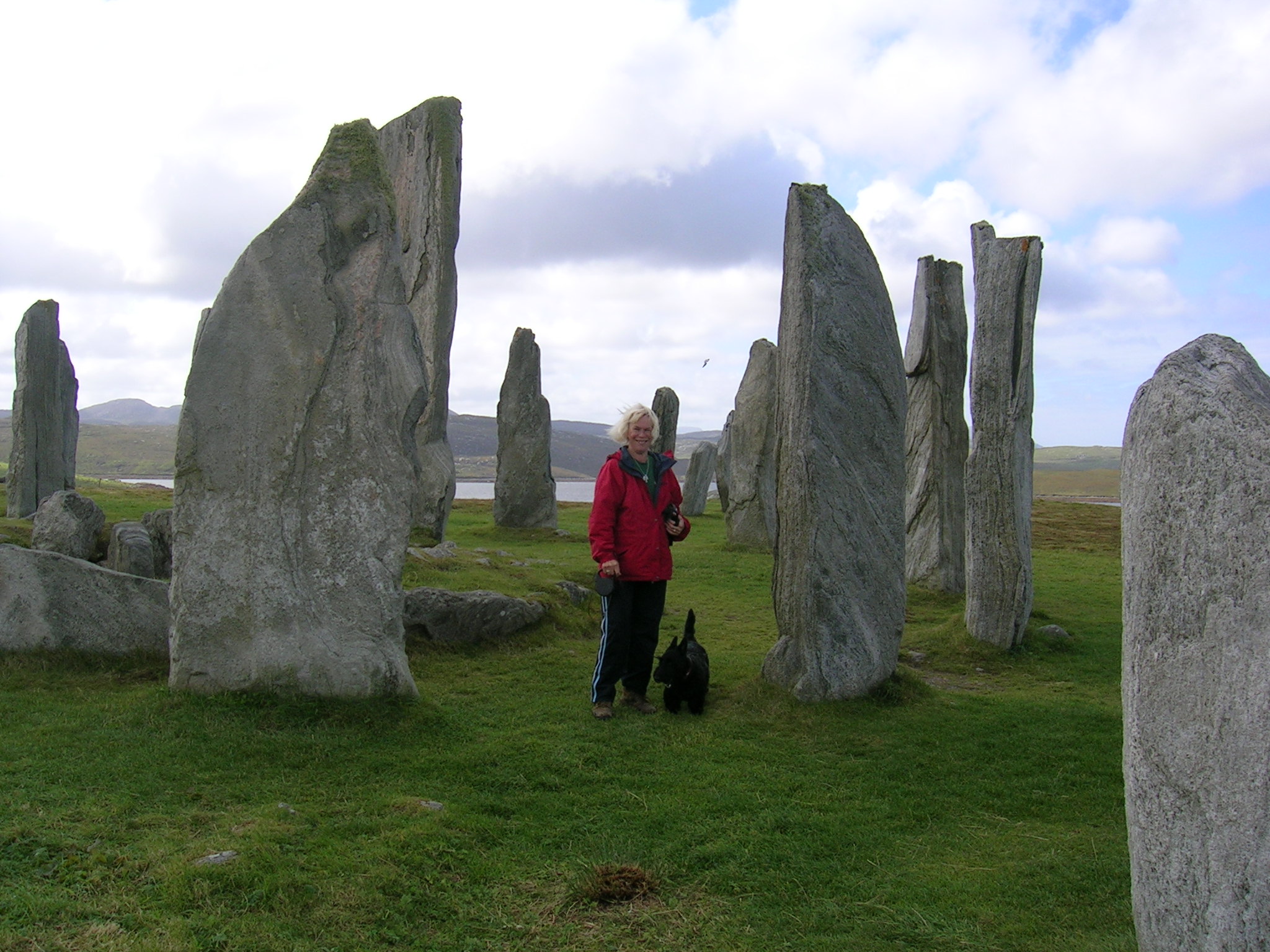
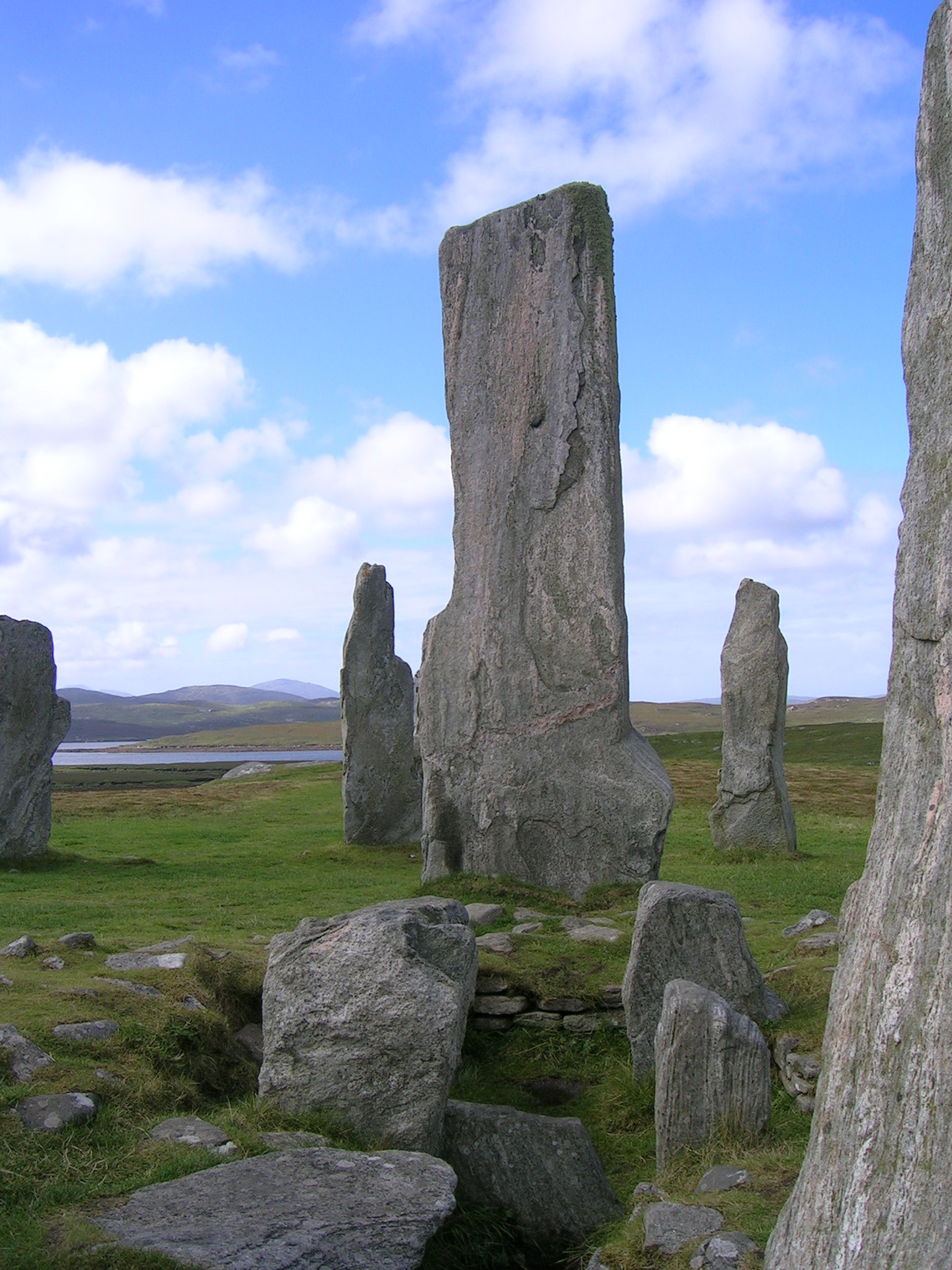
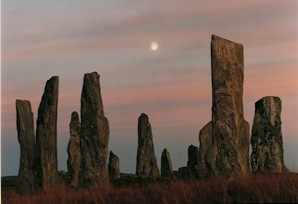
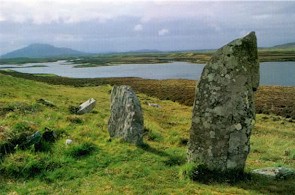
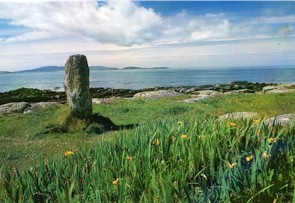
6,000 years. You will find the 5,000 year old Standing
Stones of Calanais (Callanish), second only to Stonehenge in the UK for their
grandeur, are to be found on the west coast of Lewis. Just a few miles away stands the
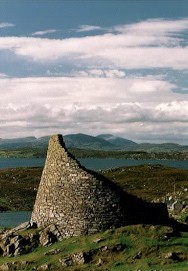
well preserved 2,000 year old Carloway Broch, or dun, a circular, dry-stone built fortified tower.
Later history is represented by the many religious buildings
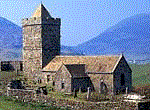
found in the islands, particularly St. Clement’s church at Roghadal (Rodel) in Harris. This church
is one of the finest in the west of Scotland, and contains the magnificent sculptured tomb
of Alasdair Crotach Macleod, prepared for himself nineteen years before his death in 1547.
In Lewis, the ruined church of St. Columba at Point, and the still used
St.Moluag’s church at Europie, Ness are well worth visiting.
These islands are
rich with archaeological sites, and it would take many days to explore them all. North Uist
contains some two-thirds of the chambered cairns found in the Western Isles, with Barpa
Langass (five miles from Lochmaddy), of particular importance.
By the time history came to be recorded, other structures
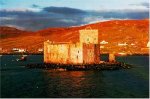
appeared in the landscape; castles and religious buildings. Outstanding is Kisimul Castle on Barra,
with its main tower dating from about 1120. Other castles, now ruined, include Borve in
Benbecula and Ormacleit in South Uist. Teampull na Trionad (Trinity Temple) near Carinish in
North Uist dates back to the early 13th century, and the sites of Teampull Chalum Cille in
Benbecula and at Tobha Mor (Howmore) in South Uist, reflect these very early times. The
chapels at Cille Bharra are well preserved and the whole site contains much of interest
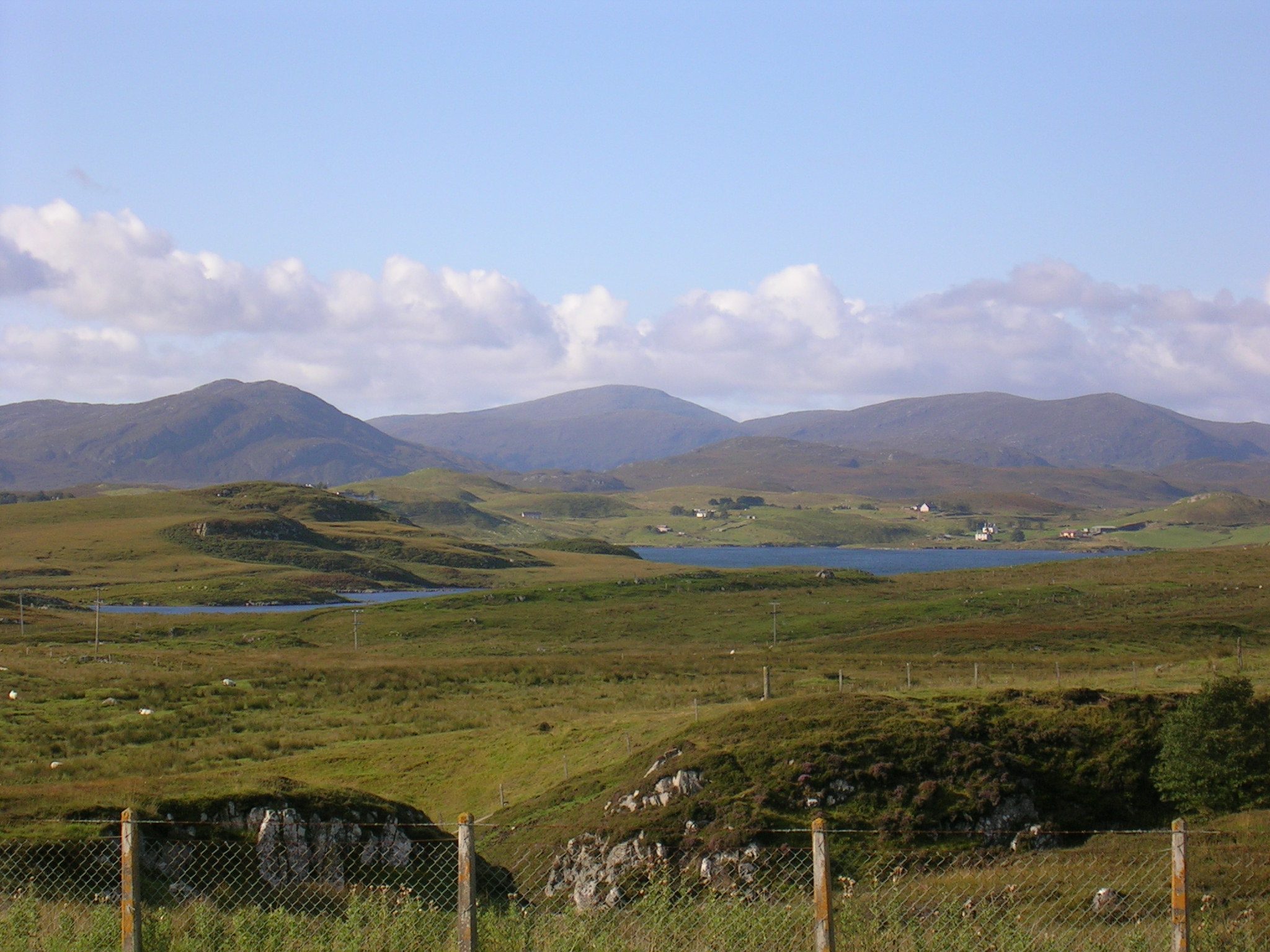
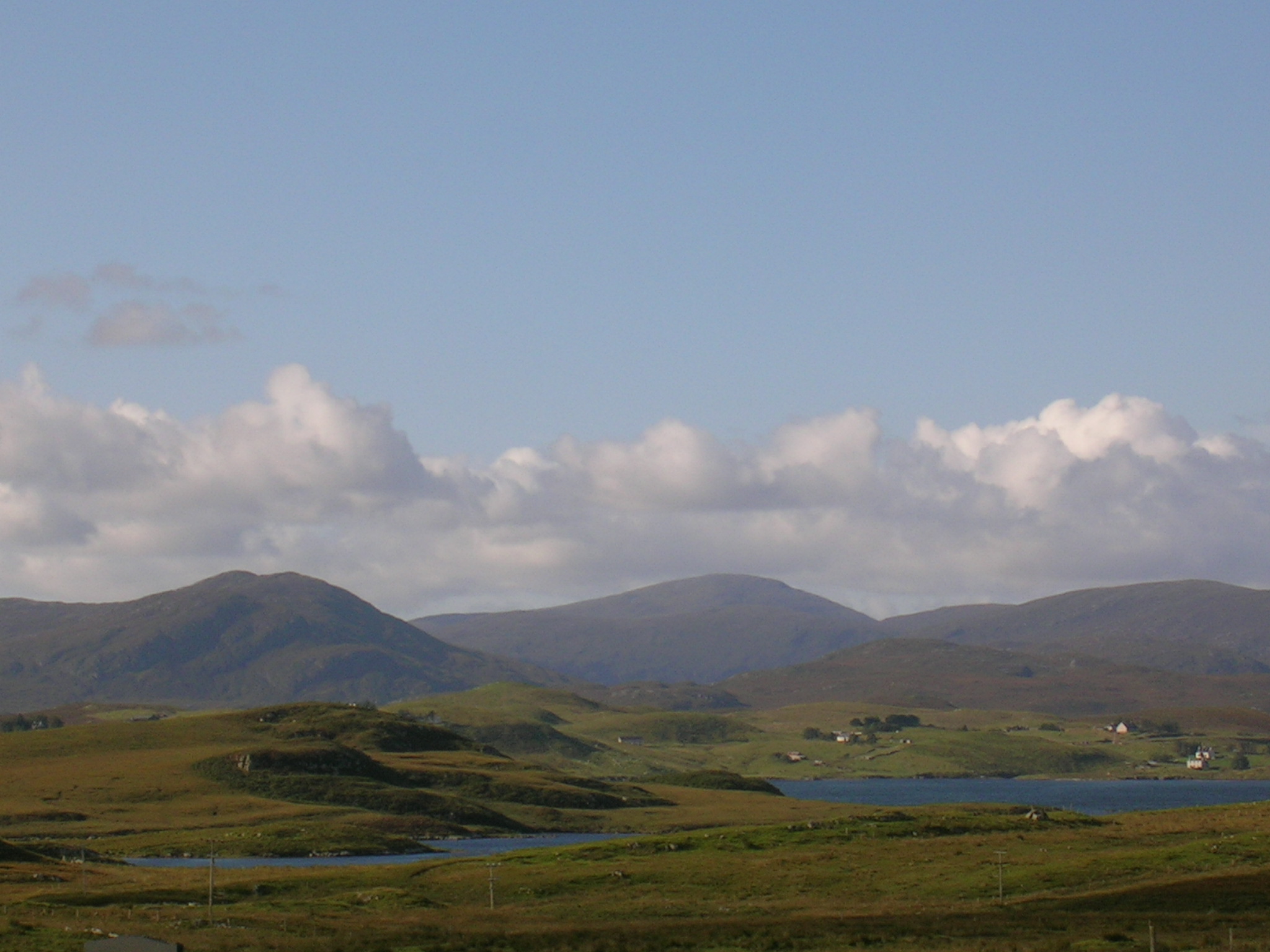
The combinations of land, seas and inland water found in the
Western Isles have produced landscapes of national and international importance. There are
four National Nature Reserves and a large number of other designated sites. A lot of the
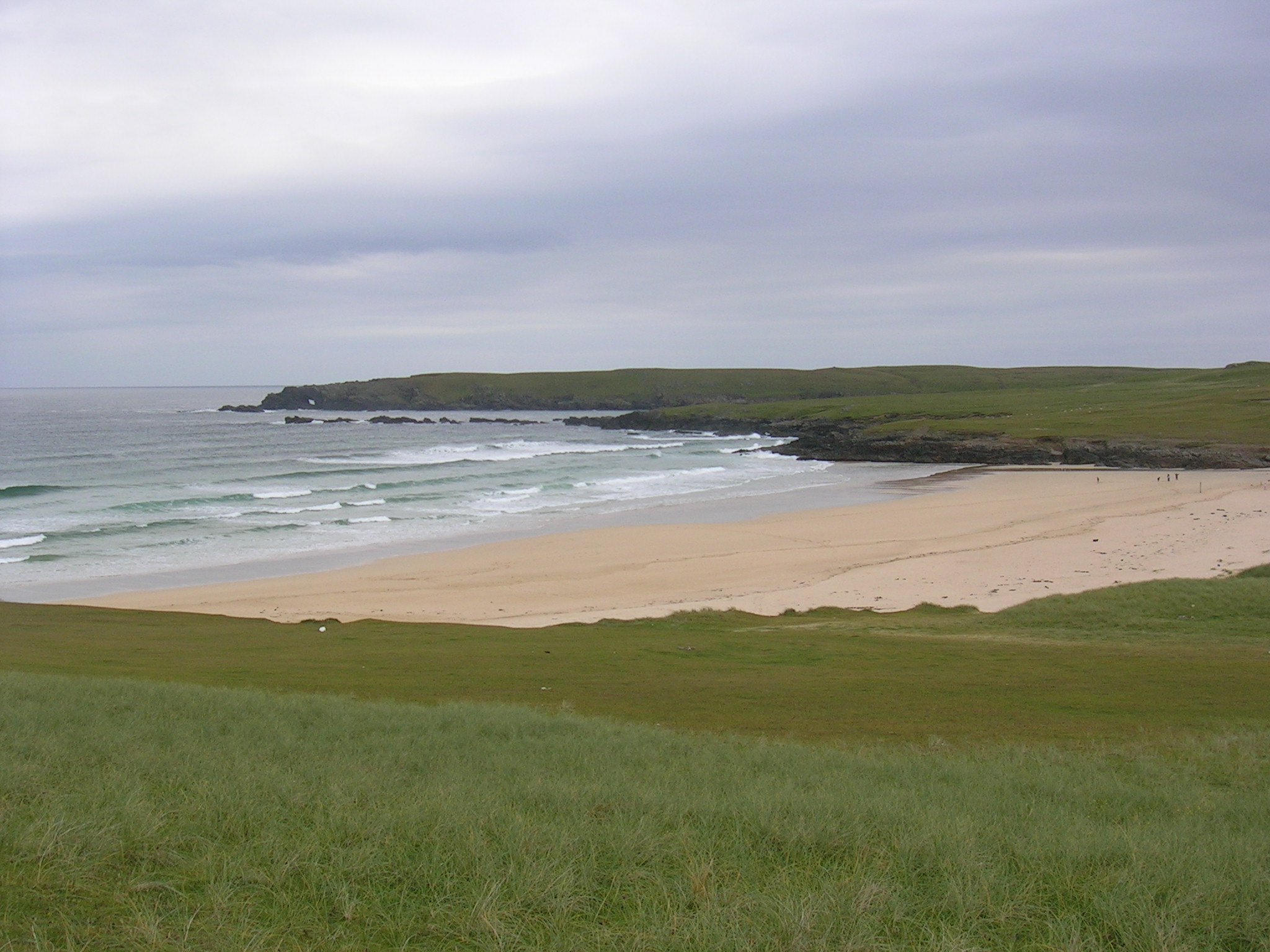
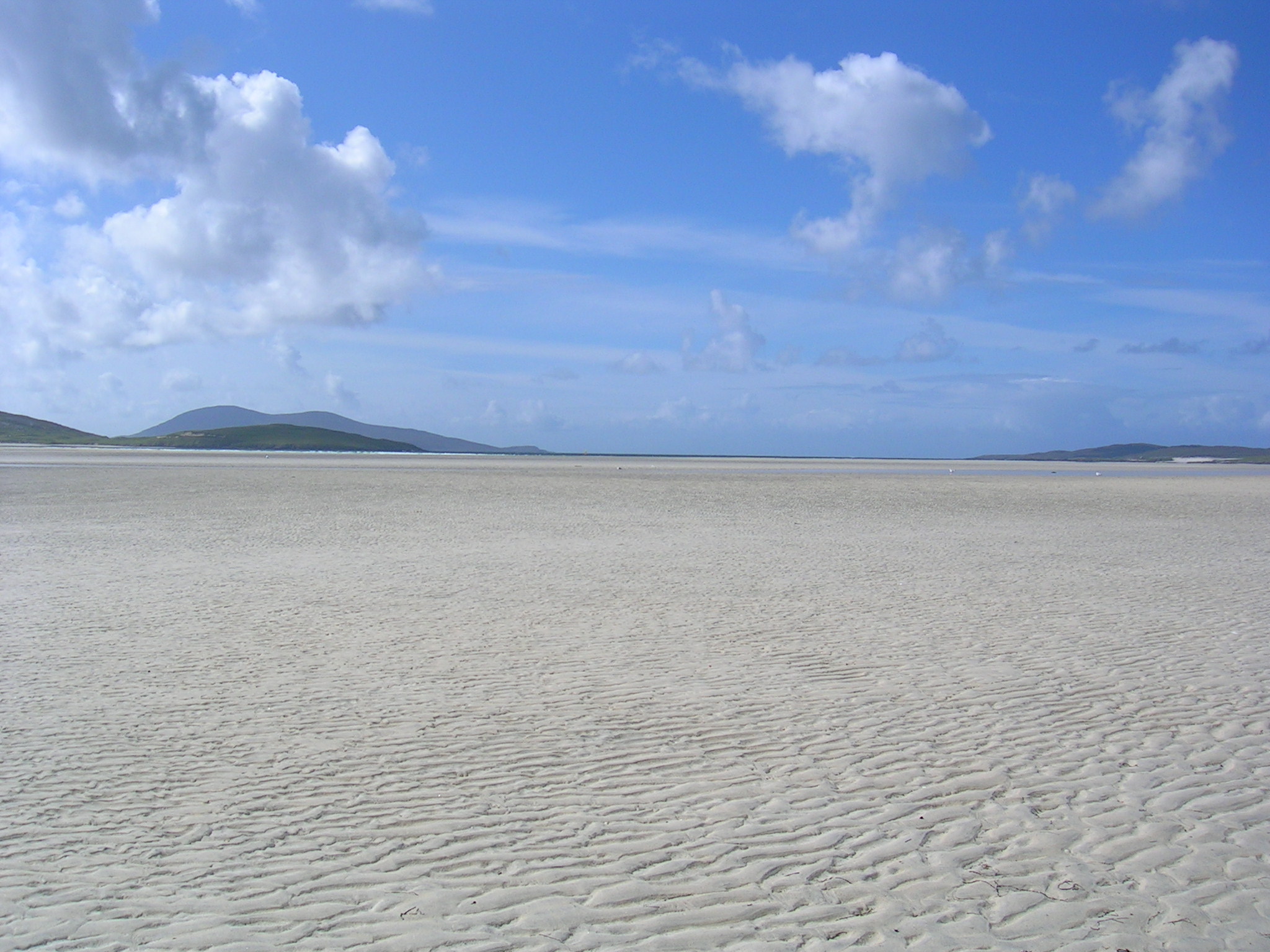
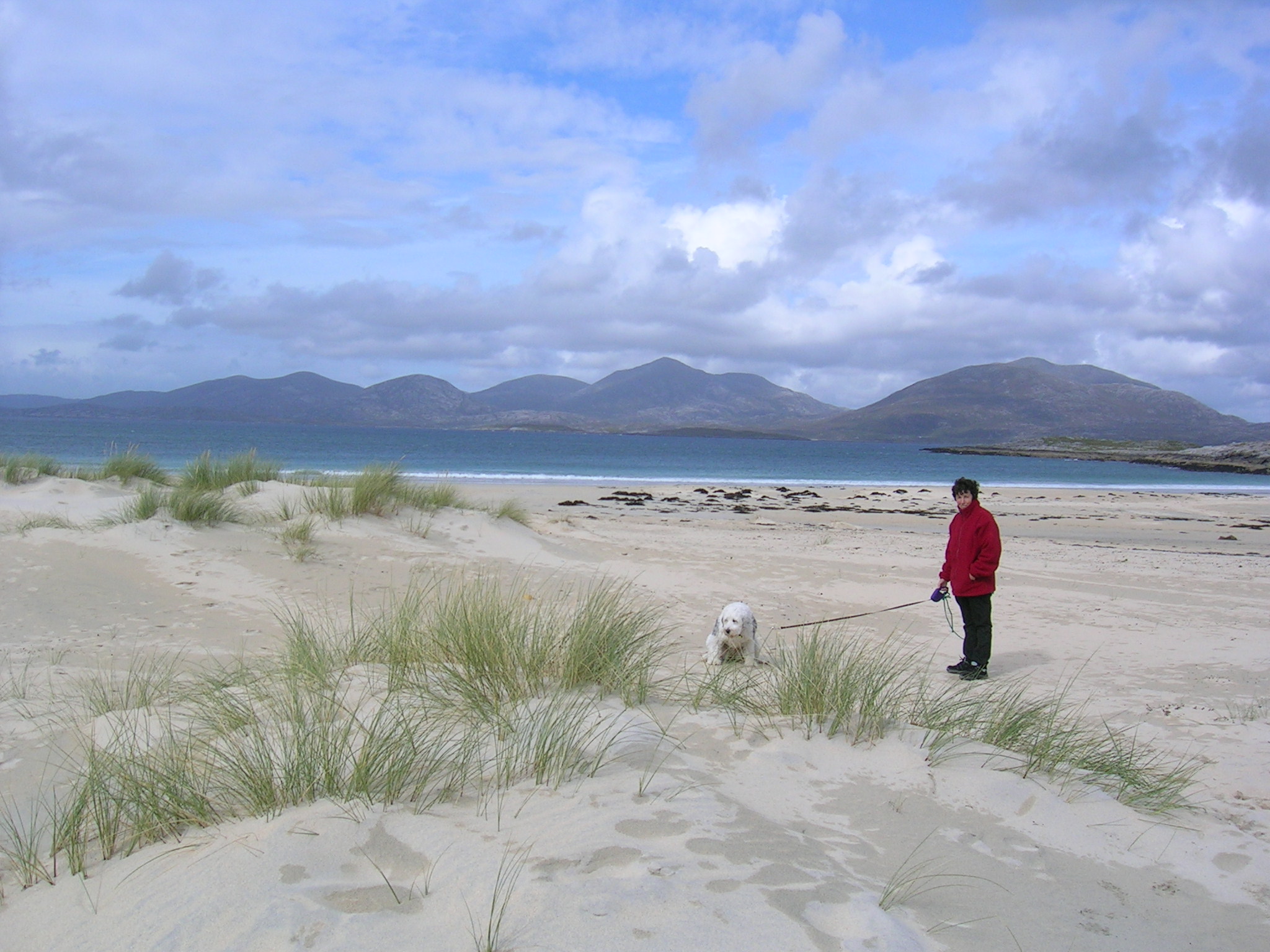
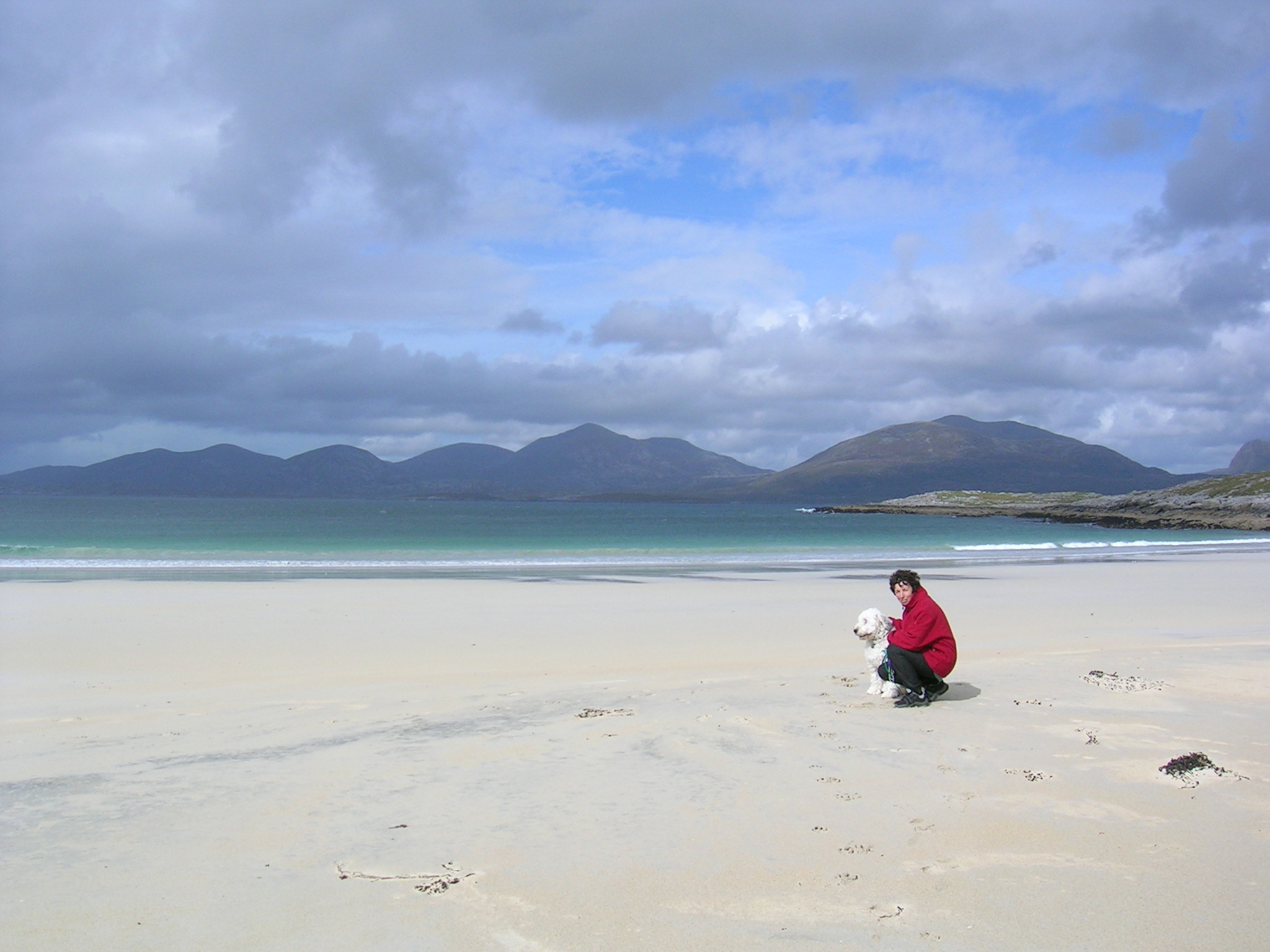
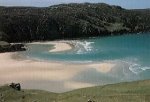
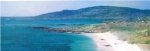
area has been identified as of outstanding scenic value. The islands also boast superb,
clean sandy beaches which are washed twice a day by the Atlantic waves.
Few area of Britain can produce such a variety of birdlife in
such diverse surroundings as can be seen in the Western Isles. The islands are also a
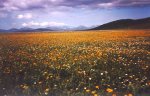
marvellous place to see an array of wild flowers, flora and fauna particularly along the
west coast 'machair' land.
The people of the Western Isles are Gaels, bilingual Gaelic
and English spreakers. They are the guardians of a rich, vibrant culture which is most
accesible to visitors through its music, celebrated each year in various festivals -
feisean, mods and celidhs - throughout the islands. Another influence, that of
Scandinavia, can be seen in the placenames which, particularly in the north, are almost
all of Norse origin. The Vikings invaded the
islands from the ninth century onwards, and it was not until 1280 that the Norse handed
the Western Isles over to the kingdom of Scotland under the Treaty of Perth.
Despite their remoteness, the Western Isles are easily
accessible today with comfortable planes flying up to three times daily (except Sundays)
to Stornoway, Benbecula and Barra airports from Glasgow and Inverness. Barra has one of
the world's most romatic airports, with the planes landing on the wide sands of the Traigh
Mhor (Cockle Strand).
Modern car ferries ply back and forth every day from
Oban, Ullapool, Mallaig and from the Isle of Skye (Uig). These sailings reach the Western Isles
at five island ferry ports (Castlebay, Lochboisdale, Lochmaddy, Tarbert and
Stornoway), so
making it easy to reach anywhere along the length of the island chain. There are also
inter-island car and passenger ferries and an excellent public transport system for
exploring all corners of the islands. Accommodation is widely available to suit all
pockets, from hotels to simple hostels, with plenty of guest houses, bed and breakfast
accommodation and self catering in between.
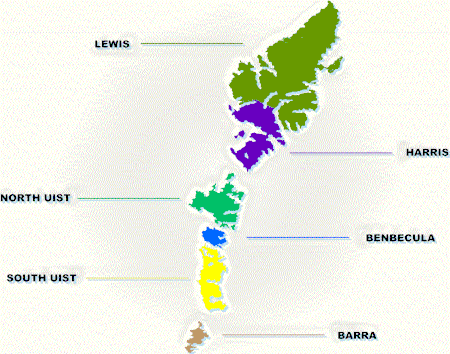
Twelve of these islands are
populated - Lewis and Harris, Bernera, Scalpay, Berneray, North Uist,
Baleshare, Grimsay, South Uist, Benbecula, Barra, Eriskay and Vatersay -
and all share the same culture - gaeldom, and the same language - Gaelic.
To many in these islands, English is a second language, but when spoken,
it's clarity is rarely surpassed. "I went to school to learn the
English" is very true of many a Hebridean.
Lewis and Harris form the northernmost
island, but there the similarity finishes! Lewis is, for the most part,
fairly flat and treeless with enormous peat bogs and literally thousands of
lochs. About 100 villages are scattered over Lewis, more like spread out
communities rather than villages due to the crofting way of life. Stornoway
is the largest town in the Western Isles. A busy fishing port and the main
ferry port to the mainland - there are five in these islands.
Lews Castle overlooking the town is a
mock-gothic 19th century building now owned by the Stornoway Trust. The
An Lanntair Arts Gallery and the Museum na Eilean are two popular
attractions in the town.
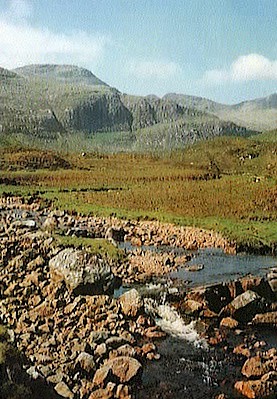
Harris, however, is mountainous with
some of the oldest rocks known to man. To the East it is rocky and to the west more fertile
with some superb Atlantic Beaches (visit Luskentyre!) - a great place to surf and
beach comb. Tarbert is the main
village and another of the ferry links to the mainland via Skye.
The earliest known settlers came here about
5,000 years ago - the Standing Stones at Calanais are proof of an ancient culture
but exactly why this ring of 1 3 stones was built is still a mystery. The Visitor Centre at Calanais
is the place to ask. Not far away, at Carloway, stands evidence of another
civilisation - the Carloway Broch was built about 2,000 years ago. Defence
was the motive here as a broch is a fortified tower.
Since then, religion has played a significant
part of the local culture and still does to this day. The medieval St
Clement’s Church at Rodel was restored in 1873 and the Black House at Arnol
on the west coast of Lewis gives a good
representation of life in these traditional old thatched cottages as does
the Shawbost Folk Museum nearby. The old Gearranan Village near Carloway is
the site of a long term project to bring back life into this ancient
community of black houses.
The 18th and 19th century clearances and
emigration saw many Hebrideans leaving for the colonies. Ancestry can he
traced at the Co Leis Thu? (Who are you?) centre in Northton, South Harris.
The middle set of islands consists of North
Uist, Benbecula and South Uist all linked by causeways with Berneray (a
favourite of Prince Charles), Grimsay and Eriskay accessible by ferry
[Berneray and Eriskay now linked by causeways].
Eriskay is where Bonnie Prince Charlie first set foot on Scottish soil
before the 1745 rising. After Culloden he was hidden all over these islands
and was never betrayed. There are plenty of lochs around the east side of
North Uist with beautiful sands facing the Atlantic. Lochmaddy is the port
here, where the Taigh Chearsabhagh Visitor Centre should be visited. The 14th
century Borve Castle on Benbecula was one of the homes of MacDonald of
Clanranald related to Flora MacDonald who helped Bonnie Prince Charlie evade
the Red Coats. The Clanranalds moved to Ormiclate Castle in South Uist which
was eventually destroyed by fire in 1715.
There are two Nature Reserves in the Uists,
at Balranald and Loch Druidibeg both renowned for their visiting birdlife.
The abiding vision of the Isle of Barra is
Kisimul Castle standing proud in Castlebay. This vision comes, mainly, from
the film version of Compton Mackenzie’s ‘Whisky Galore", but it is
in black and white and Barra must be seen in colour! The real history
surrounding this book.
The History of Lews Castle, Grounds and Gardens.
Stornoway Historical Society public lecture held on October 28th 2019 in
Stornoway Town Hall, Stornoway, Isle of Lewis. Guest speaker was Ken
Galloway, the Society archivist. There are a couple of very short breaks (a
few seconds) in the audio track, for which we apologise, and hope they don't
detract from your enjoyment of the video.
This comment system
requires you to be logged in through either a Disqus account
or an account you already have with Google, X, Facebook or
Yahoo. In the event you don't have an account with any of
these companies then you can create an account with Disqus.
All comments are moderated so they won't display until the
moderator has approved your comment.



 Despite their remoteness, the Western Isles are easily
accessible today with comfortable planes flying up to three times daily (except Sundays)
to Stornoway, Benbecula and Barra airports from Glasgow and Inverness. Barra has one of
the world's most romatic airports, with the planes landing on the wide sands of the Traigh
Mhor (Cockle Strand).
Despite their remoteness, the Western Isles are easily
accessible today with comfortable planes flying up to three times daily (except Sundays)
to Stornoway, Benbecula and Barra airports from Glasgow and Inverness. Barra has one of
the world's most romatic airports, with the planes landing on the wide sands of the Traigh
Mhor (Cockle Strand).